Tag: LCD

  • Economical Solution – REWA Broken LCD Refurbishing Solution

    Economical Solution – REWA Broken LCD Refurbishing Solution

    With 7 machines in total, this economical broken LCD screen refurbishing solution features high cost performance, offering an output of 120 pieces per day, which is specially for small factories. Please check the video for the more efficient and economical mobile phone glass-only repair solution.

    Macchinari inclusi nel ricondizionamento:

    • Piattaforma di riscaldamento elettronico
    • 3 in 1 Heating, LCD Separator and Frame Disassemble Machine
    • Manual POL/LCD Glue Removing Machine
    • Laminatore a film OCA/POL (pompa a vuoto integrata)
    • Macchina automatica per la laminazione e la rimozione delle bolle del vetro
    • Bezel Assemble Machine
    • Air Compressor – 30L
  • Unveiling the OLED Revolution: OLED vs LCD

    Unveiling the OLED Revolution: OLED vs LCD

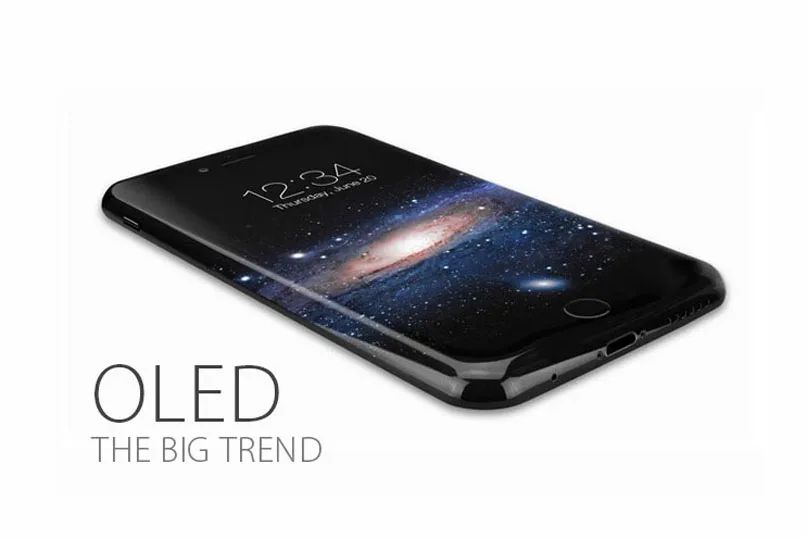
    Countless reports claimed that Apple would apply AMOLED displays on their next iPhone.

    OLED has become a hot topic and inevitable trend since the news emerged.

    What is OLED? What are the differences between OLED and LCD?

    Will it affect the supply of China Made iPhone Screens?

    We’ve got all the answers you want to know as below.

    What is OLED?

    OLED, which stands for Organic Light Emitting Diode, is made from organic light emitting materials that emit light when current is passed through it, being considered as a thin-film display technology.

    Main types of OLEDs

    The two most widely used OLED technologies are AMOLED and PMOLED.

    The market of PMOLED is much smaller and more fragmented than AMOLED’s, as well as the development prospects.

    News from trusted source reveals that Apple is expected to use AMOLED display in the iPhone 8 to save its shipments, which is in a continued decline.

    What are the differences between OLED and LCD?

    The biggest difference between these two kinds of technologies is that they have different structures, which really makes sense at the performance and application.

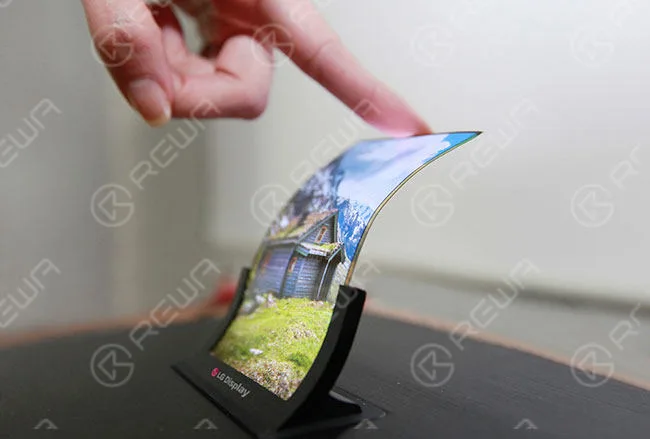
    Since OLED does not require backlight and filters (unlike LCD displays), It is more efficient and much thinner – and in fact, can be made flexible and even rollable.
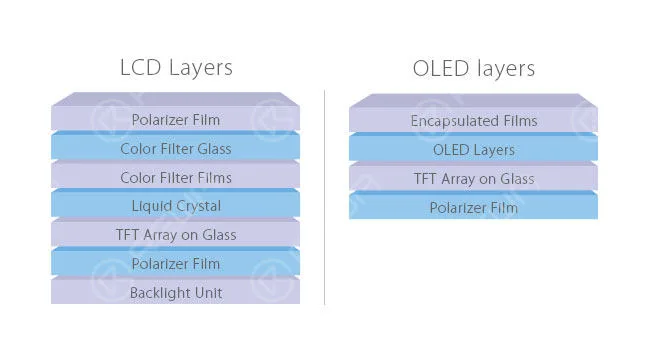
    unveiling oled revolution vs lcd layers

    Below are the major differences between LCD and OLED derived from the disparate structures.

    1. Backlight.

    LCDs require a backlight but OLEDs do not need, they are self-luminous.

    2. Size.

    Due to the absence of backlight modules, OLEDs are thinner and lighter than LCDs.

    3. Black level.

    Compared with the “black” screens of LCDs, OLEDs can produce truly black screens.

    For OLED, black pixels are simply pixels that emit no light at all.

    However, for LCD, black pixels are done by covering all the white light with the help of filter.

    Actually, this process turns out to be very difficult —there is always an amount of light being leaked.

    4. Power consumption.

    In a general way, OLEDs consume less power than LCDs for their self-light-generating. However, this is not always the case.

    When white screens are far more than black screens, LCDs win the battle of power consuming. The advantage of OLEDs comes from black screens.

    5. Viewing angles.

    The thinner technology and closer pixels enable OLEDs the excellent viewing angles.

    That means you can get qualified pictures no matter which angle you look from, dead center or far aside. Situations are generally worse in LCDs.

    Depending on different display technologies, LCDs vary hugely from each other.

    6. Color.

    Colors of OLEDs were not so desirable and it’s hard to keep them realistic in the past. While now, it is much better for the application of new technologies.

    Diversified as LCDs are, their performances are unlike depending on the specific technology used.

    Like IPS and VA, after being properly calibrated, they can provide great color accuracy –iPhone 6s LCD is a vivid example of a phone with top color accuracy.

    7. Prezzo.

    Affordable price is one of the advantages of LCD.

    However, this supremacy would fade away in the long run as the rapid development of OLED.

    8. Lifespan.

    Undoubtedly, the comparatively long lifespan is another advantage of LCD.

    OLED is a little bit worse at this aspect due to the short lifespan of the blue organic material.
    unveiling oled revolution vs lcd advantage

    What will the OLED bring to mobile phone repair industry?

    If the next iPhone features OLED screen, what will happen in the mobile phone repair industry?

    Many people have struggled with this problem since the news bubbled.

    Judging from the market demand, Chinese iPhone Screens have dominated half of the shipments from the last quarter of 2015.

    Will the application of OLED affect the supply of China Made Screens?

    It’s hard to say, really. As the mainstream OLED suppliers, Samsung and LG have already acquired a monopoly position.

    Chinese manufacturers, like BOE and Tianma, are trying to catch up with the tendency, but there are still some gaps existed.

    There are likely to be some difficulties to meet the demand of OLED China Made iPhone Screens in the short term if the technology is truly employed.

    Whereas the age of OLED is right around the corner, and China Made Screens will eventually come back with surprise.

    How to replacement this screen? You can read our Samsung Galaxy S7 edge glass replacement guide.
  • Qual è il più conveniente LCD per iPhone 6 prodotto in Cina?

    Qual è il più conveniente LCD per iPhone 6 prodotto in Cina?

    which most cost effective china made iphone lcd is the

    LT(IVO)

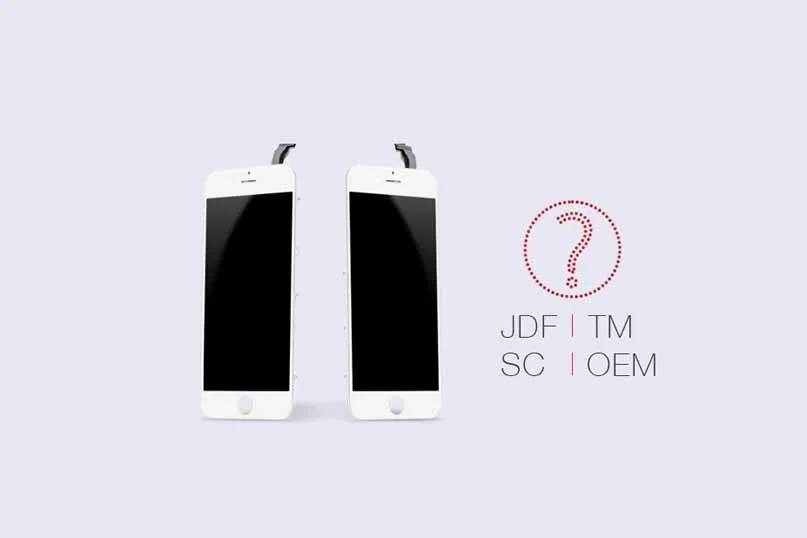
    Nella Cina continentale sono presenti diversi produttori di pannelli di visualizzazione, tra cui spiccano JDF (BOE) e TM (Tianma). Dal 2014 JDF ha gradualmente trasformato la sua sesta linea di produzione in display di piccole-medie dimensioni e ora prosegue questo piano e concentra la capacità produttiva in questo settore in modo totalizzante.

    In effetti, TM (Tianma) ha già trasformato le sue dimensioni e capacità di visualizzazione alla fine del 2013, prima di JDF (BOE), concentrandosi su display di piccole e medie dimensioni.

    Inoltre, sebbene SC, sostenuta con forza da Foxconn, abbia iniziato a produrre in massa display LTPS, TFT e LCD all'inizio del 2012, non ha fatto grandi progressi perché non è riuscita ad aggiudicarsi gli ordini per l'iPhone di Apple né a ottenere l'autorizzazione per la tecnologia CG Si e IGZO di Sharp.

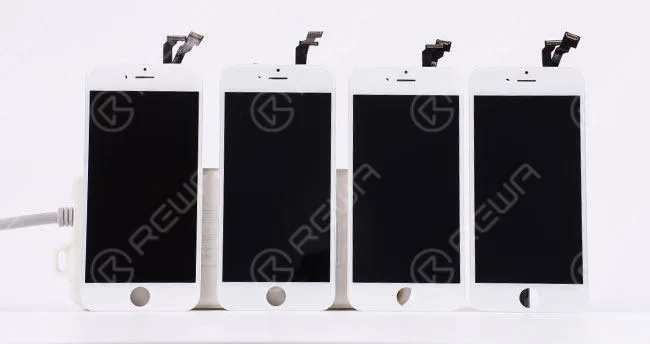
    Ma sapete quale LCD per iPhone 6 prodotto da questi tre produttori di display è più conveniente? Andiamo avanti con questo articolo e facciamo chiarezza. Non molto tempo fa, REWA ha analizzato i prodotti JDF(BOE) e LT(IVO). LCD per iPhone 6 prodotti in Cina in qualche modo. Dopo diversi mesi di sviluppo, com'è la situazione attuale? Abbiamo testato 3 LCD per iPhone 6 di produzione cinese JDF(BOE ), TM (Tianma) e SC dagli aspetti di “Aspetto” e “Funzione” per fare un confronto con quelli OEM e darci chiarezza di pensiero.

    Aspetto

    1) Lente di vetro

    which most cost effective china made iphone lcd

    Non c'è differenza tra gli LCD JDF, TM e SC e quelli OEM per quanto riguarda l'aspetto.

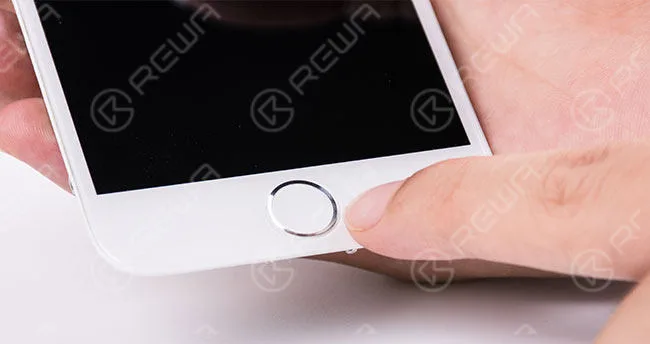
    2) Allineamento dei fori dei pulsanti

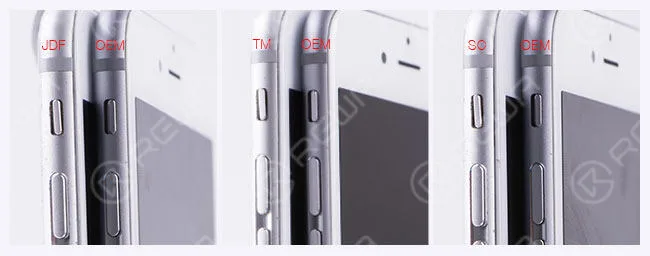
    which most cost effective china made iphone lcd 2

    Attraverso l'ispezione visiva è difficile notare differenze evidenti tra gli LCD OEM, JDF, TM e SC.

    3) Lunetta

    which most cost effective china made iphone lcd 3

    Nessuno di questi tre tipi di LCD presenta deformazioni, rotture, allentamenti o degumming sulle cornici anteriori del supporto LCD.

    which most cost effective china made iphone lcd 4

    Le cornici anteriori di diverso tipo si adattano molto bene alla piastra metallica posteriore dell'LCD, ma è ancora difficile distinguere le differenze tra JDF, TM, SC e quelle OEM.

    which most cost effective china made iphone lcd 5

    Per quanto riguarda l'abbinamento della cornice con l'LCD e l'assemblaggio del touch screen, tutti e tre questi LCD di produzione cinese possono essere abbinati perfettamente.

    which most cost effective china made iphone lcd 6

    Dopo averli installati nei dispositivi mobili, è facile constatare che tutti e tre gli LCD di produzione cinese presentano un piccolo spazio tra l'LCD e il corpo del dispositivo, in particolare l'SC.

    4) Cavo flessibile

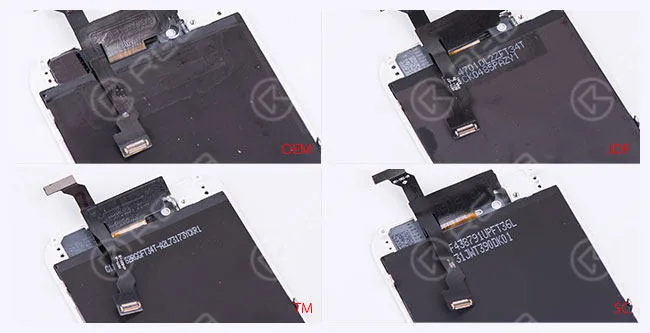
    which most cost effective china made iphone lcd 7

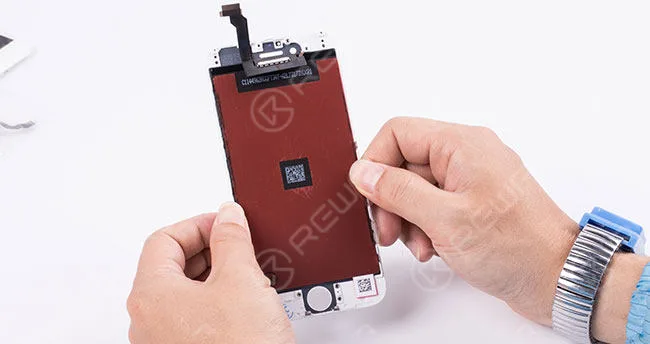
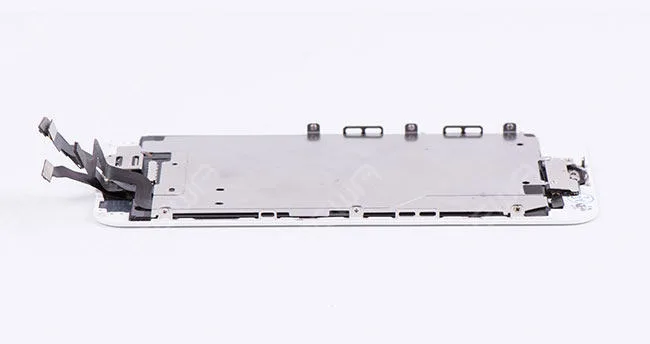
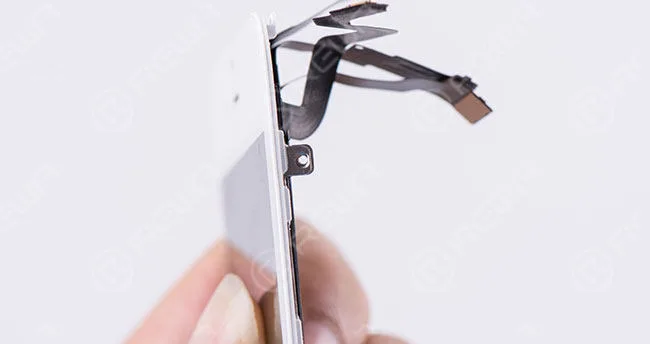
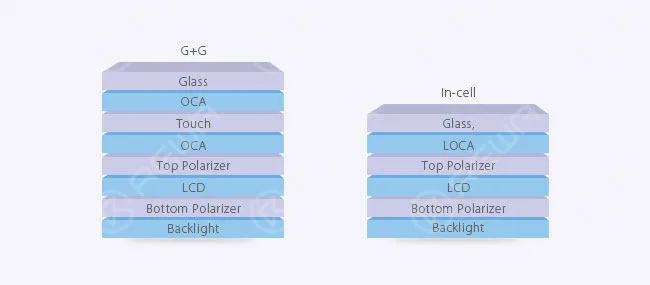
    Si può osservare visivamente che il cavo flessibile del display LCD e del digitalizzatore del touchscreen prodotti da JDF, TM e SC hanno una struttura diversa. 5) Struttura In generale, esistono due tipi di formazione del display dei telefoni cellulari tradizionali: “G+G” e “In-cell”.

    which most cost effective china made iphone lcd 8

    Rispetto alla struttura a celle interne degli LCD OEM, JDF, TM e SC, che utilizzano la tecnologia di visualizzazione touch screen G+G, hanno uno spessore complessivo maggiore rispetto a quelli OEM.

    Funzione

    1) Toccare

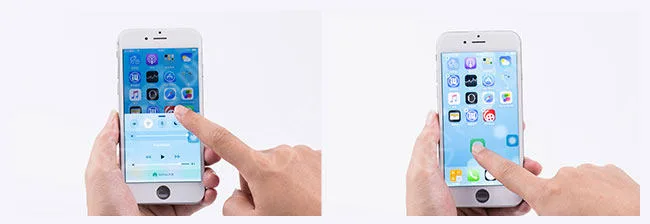
    which most cost effective china made iphone lcd 9

    Testando il digitalizzatore del touch screen spostando l'icona dell'applicazione in tutte le direzioni, compreso lo scorrimento dal bordo dello schermo, i display JDF, TM e SC non hanno problemi con la funzione touch.

    2) Visualizzazione

    which most cost effective china made iphone lcd 10

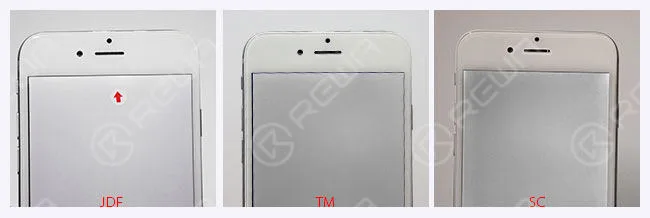
    Testando il display LCD nel colore puro del grigio, del bianco e del nero, una parte degli LCD JDF, TM e SC presenta alcuni problemi di perdita della retroilluminazione, ma non influisce sul normale utilizzo e può essere ignorata in un certo senso. Nota:  La gravità di questo problema nella situazione reale è molto più lieve rispetto alle immagini catturate sopra.

    3) Differenza di colore

    which most cost effective china made iphone lcd 11

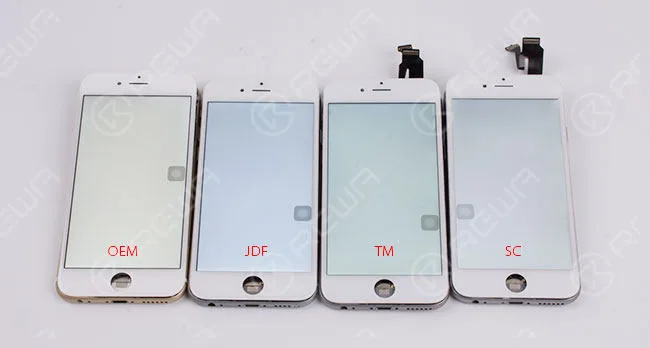
    A titolo di confronto, i colori visivi dei display JDF, TM e SC differiscono da quelli OEM.

    4) Test di invecchiamento

    which most cost effective china made iphone lcd 12

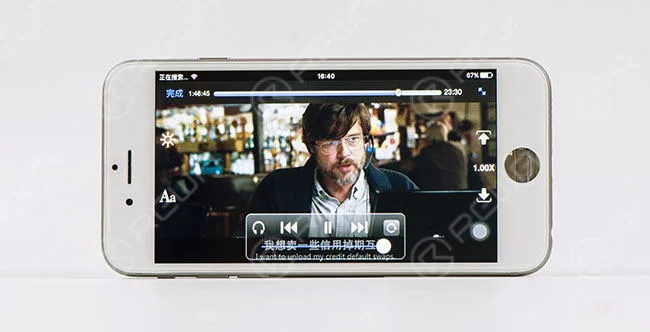
    Dopo aver riprodotto il video per 72 ore, JDF, TM, SC non presentano differenze evidenti con quelli OEM.

    Conclusione:

    Da una serie di test è emerso che ci sono solo poche differenze tra i display OEM e gli LCD prodotti in Cina. In termini di qualità, JDF e TM sono migliori di SC. Per quanto riguarda il prezzo, JDF è più favorevole di TM. Pertanto, nella condizione di mercato in cui gli LCD OEM sono esauriti, JDF LCD è la scelta più conveniente per voi. Volete ordinare i nostri prodotti? Contattateci: PRE-VENDITA Skype: rewatech Email: service@rewa.tech DOPO-VENDITA Skype: support-rewatech Email: support@rewatechnology.com