Tag: batteria aftermarket

  • How iPhone Aftermarket Battery BMS Boards Are Made

    How iPhone Aftermarket Battery BMS Boards Are Made

    When choosing an iPhone aftermarket battery, the BMS board (Battery Management System board) plays an important role in battery performance. So, what makes a third-party battery board reliable?

    In this article, REWA Lab takes you to explore how an iPhone aftermarket battery BMS board is manufactured, from bare PCB assembly and TI chip placement to firmware programming, functional testing, battery cell assembly, and final strict quality inspection.
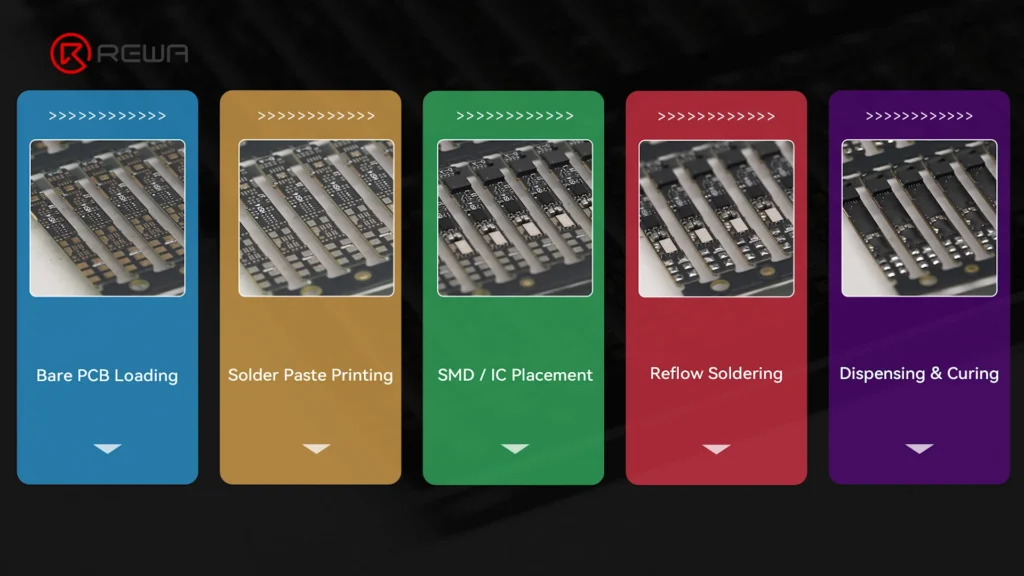
    how iphone aftermarket battery bms boards made the crucial stages to

    What Is an iPhone Battery BMS Board?

    The BMS board is the control and protection system of a rechargeable battery, helping monitor the battery and protect it during charging and use.

    For an aftermarket iPhone battery, the BMS board works alongside the battery cell. While the cell stores the electrical energy, the BMS board manages and monitors important battery-related functions.
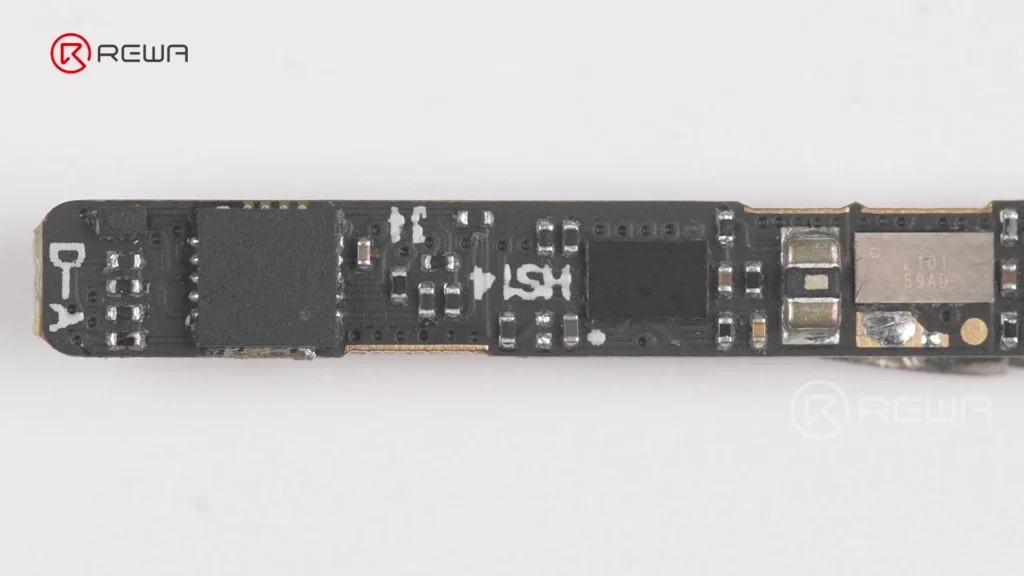
    Close-up view of a populated black iPhone battery BMS circuit board with surface-mounted chips and electronic components

    Depending on the design, a battery BMS board can help with functions such as:

    • Battery voltage & current monitoring
    • Temperature-related protection
    • Overcharge & short-circuit protection
    • Battery data and state-of-charge estimation
    • Communication between the battery and device

    This is why two aftermarket batteries using cells with similar specifications can still have different real-world performance and reliability.

    Step 1: Bare PCB Preparation and SMT Assembly

    The manufacturing process starts with a bare PCB, which is the foundation of the BMS board. Before production begins, the factory receives bare PCBs that have already passed IQC inspection and loads them onto SMT feeder racks for automated component placement.

    In poche parole:

    SMT stands for Surface Mount Technology. It is a manufacturing method that places tiny electronic components directly onto the surface of a circuit board.

    The basic process begins with solder paste printing. The PCB is positioned against a stencil, and solder paste is applied to precisely defined positions on the board.
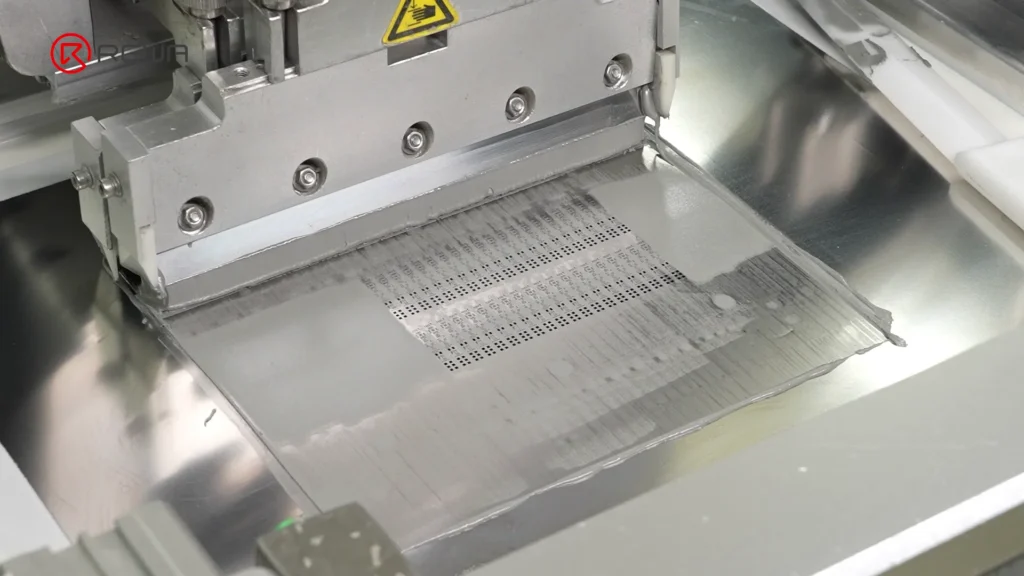
    Automated SMT squeegee applying gray solder paste over a stencil onto a BMS circuit board

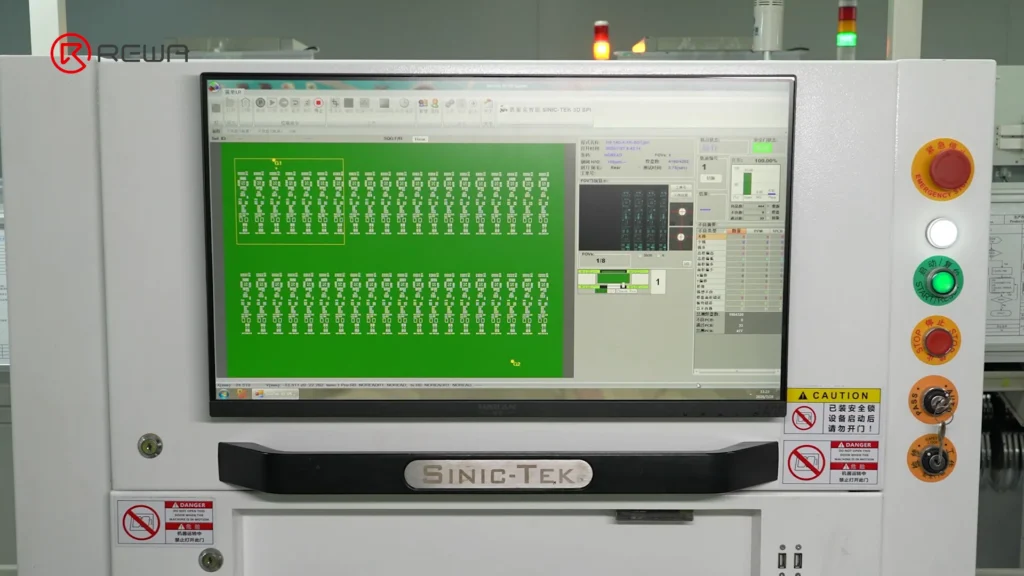
    Infrared marking helps identify the positions of the solder pads, while an SPI system checks the printed solder paste to identify issues such as:

    • Solder paste offset
    • Insufficient solder paste
    • Excessive solder paste
    • Solder bridging
    A Sinic-Tek 3D SPI machine monitor displaying a panel inspection layout for solder paste quality control

    This inspection is important because inaccurate solder paste printing can affect the quality of component soldering later in the process.

    Step 2: High-Speed Component Placement

    After solder paste printing, SMT machines precisely place resistors, capacitors, inductors, and other components onto their designated positions on the PCB.

    High-speed nozzles pick up individual components and place them according to the programmed layout of the PCB. Infrared reference marks help the equipment maintain accurate positioning.
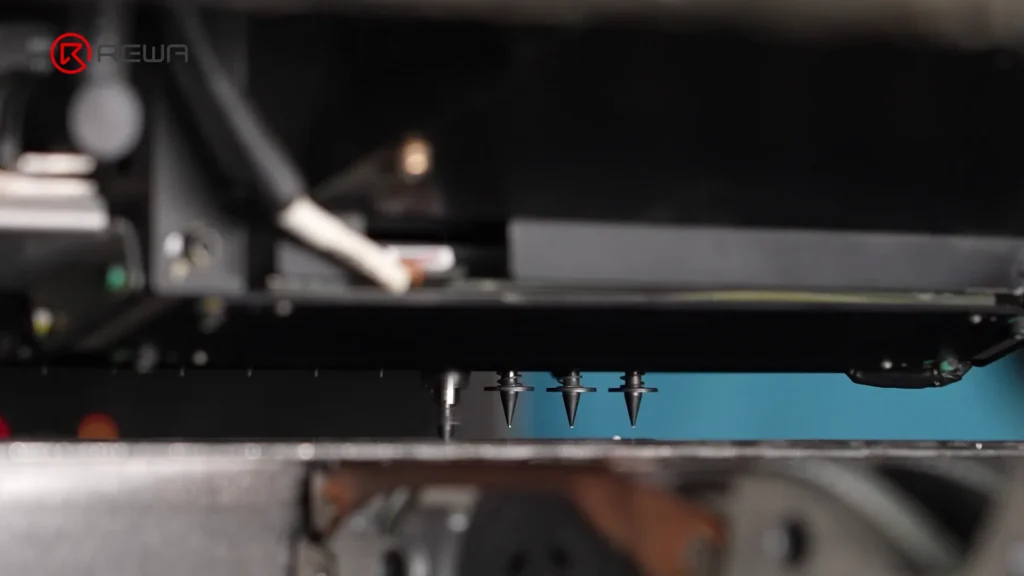
    Automated SMT pick-and-place nozzles positioned above a circuit board

    For battery BMS boards, precise component placement is essential because the board contains many small components within a compact design.

    Step 3: Installing the TI Battery Management Chip

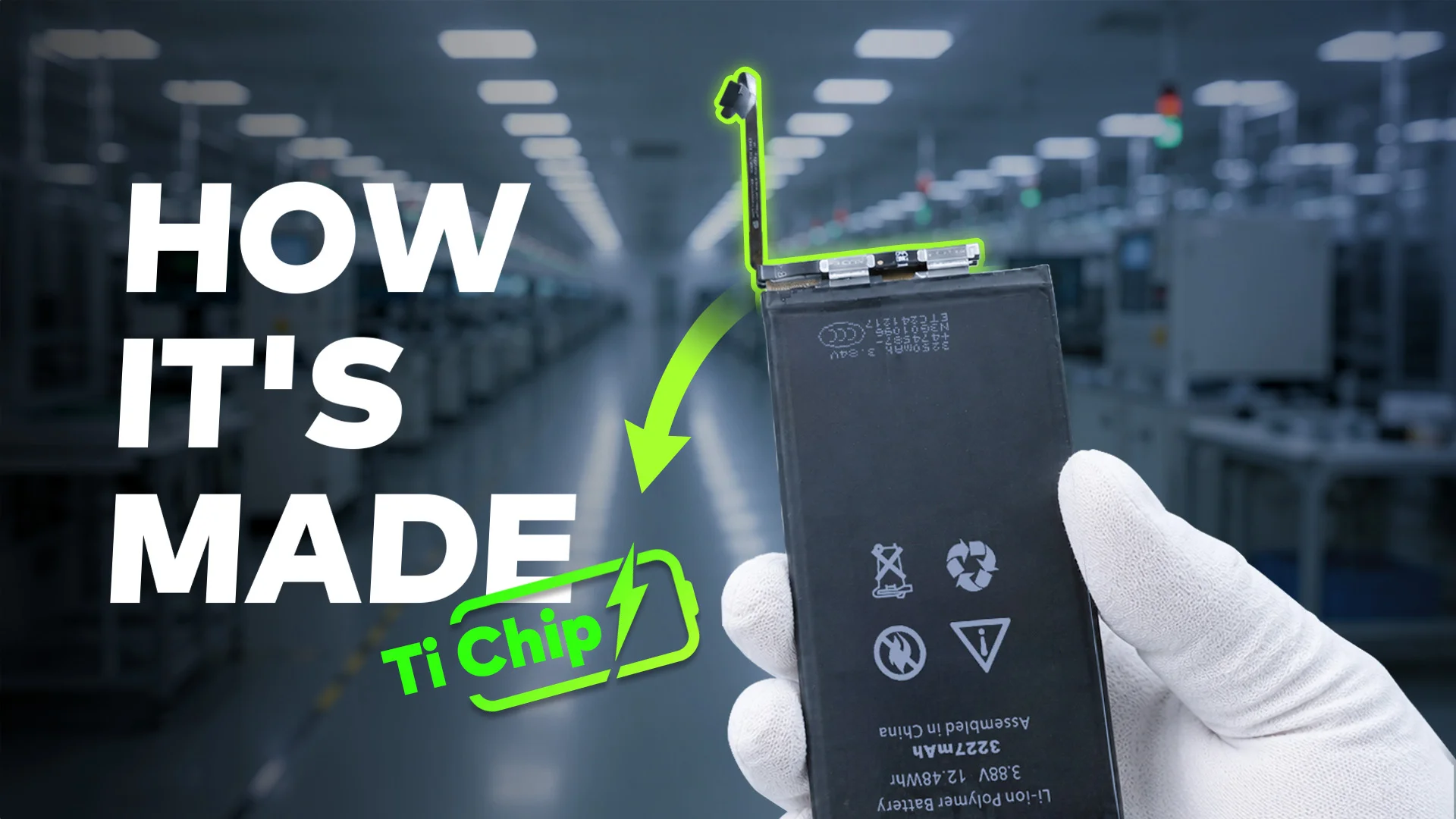
    One of the key components on the board is the TI chip. As a key control component of the battery management system, it serves as the “brain” of the BMS, helping monitor and manage battery performance.
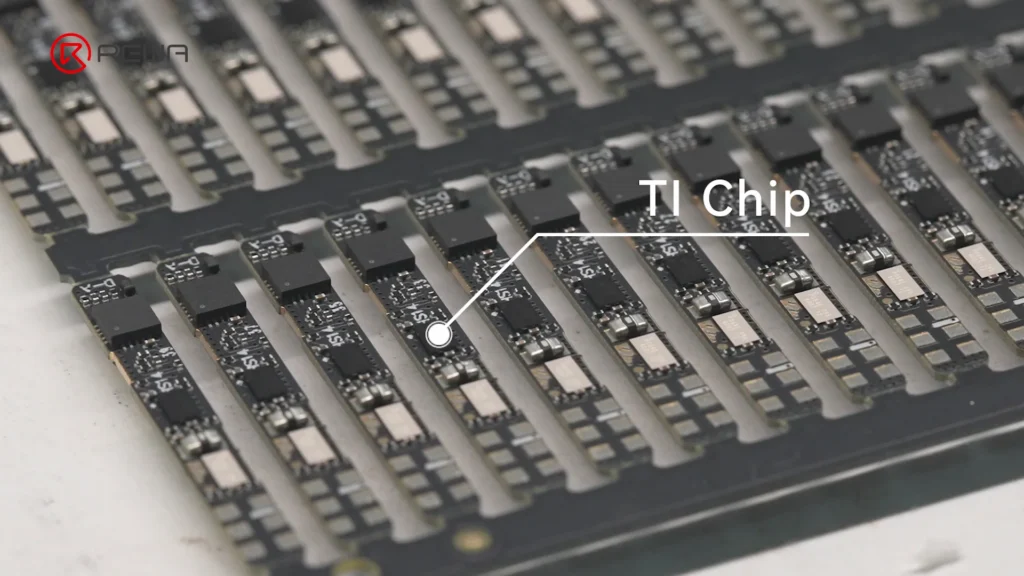
    Array of BMS circuit boards with a callout label pointing to the installed TI chip

    Il Batteria selezionata REWA board uses a custom TI chip with an Impedance Track algorithm.

    In poche parole:

    The algorithm helps the battery system estimate the battery’s remaining capacity more accurately by tracking the battery’s electrical characteristics, including impedance.

    Battery impedance changes as the battery operates and ages. Monitoring these characteristics allows the battery management system to make more informed estimates of the battery’s actual state.

    Step 4: Reflow Soldering and AOI Inspection

    Once the components have been placed, the PCB enters the reflow soldering process. The board passes through a controlled thermal profile consisting of preheat, soak, reflow, and cooling stages, permanently connecting the components to the PCB.

    Afterward, the board undergoes AOI (Automated Optical Inspection) scanning.

    Simply put:

    AOI uses cameras to inspect the board automatically and compare the soldered components and joints against predefined standards or a golden sample.
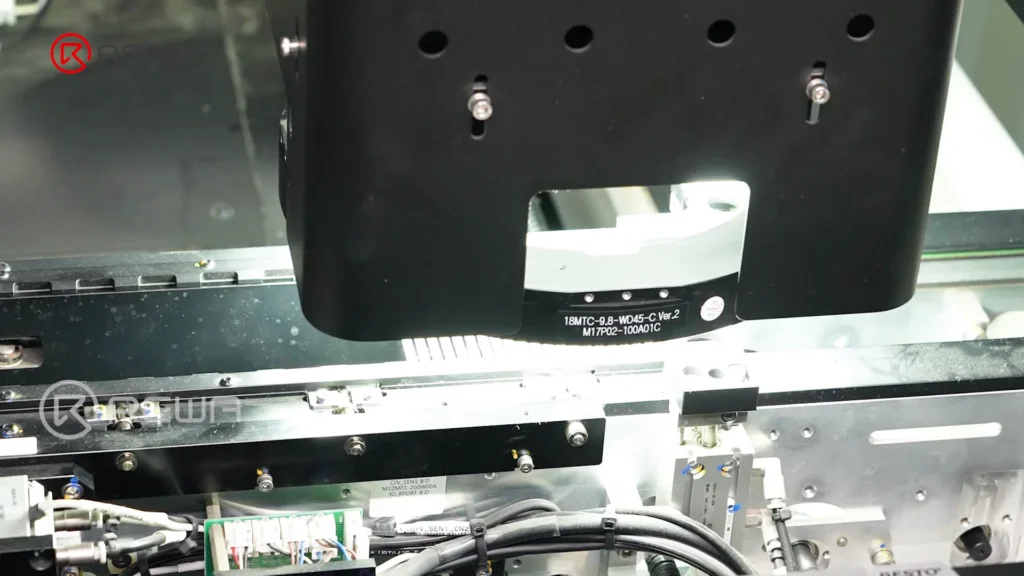
    Automated optical inspection machine head scanning circuit boards under bright light on an assembly line

    If the system identifies an NG (No Good) board, the board is manually reviewed to separate real defects from false positives.

    Step 5: Underfill Reinforces BGA Component Connections

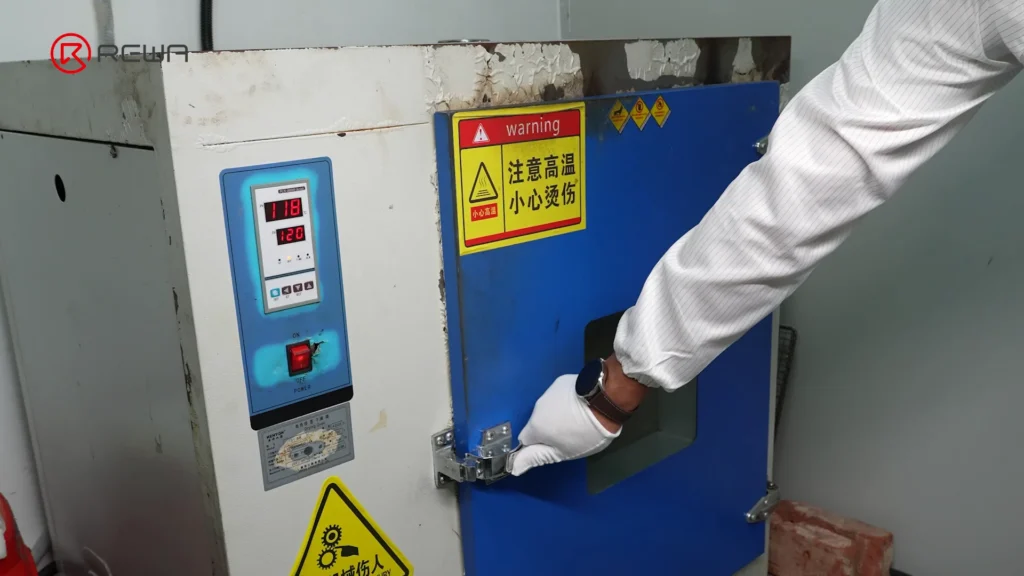
    After solder inspection, automated equipment applies underfill along the edges of BGA components before the adhesive is cured in an oven, which helps provide additional mechanical support.

    For battery BMS boards, this stage can improve resistance to physical shock and vibration, helping strengthen the connection between the component and PCB during handling and use.
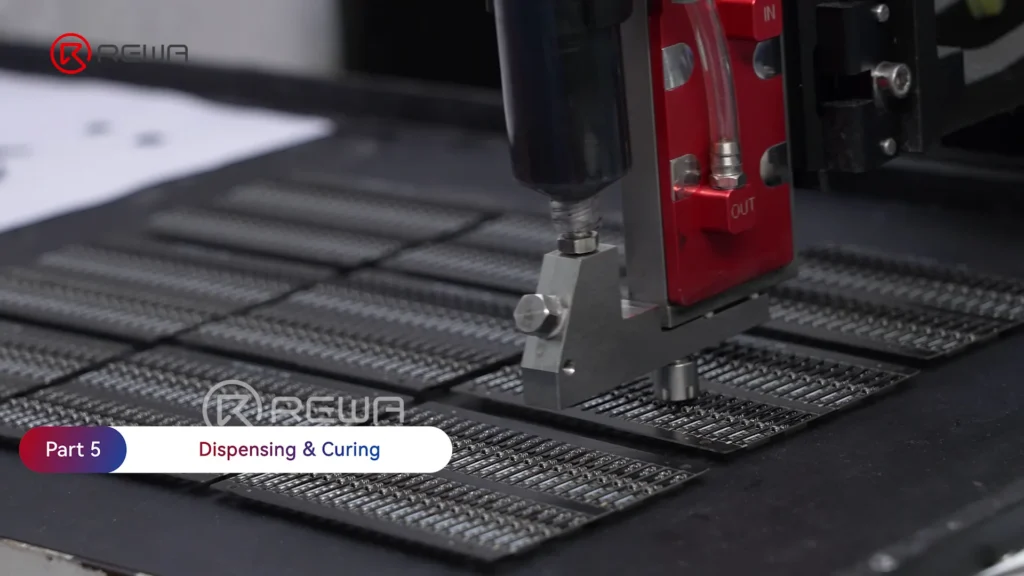
    How iPhone Aftermarket Battery BMS Boards Are Made
    A gloved worker closing the door of an industrial drying oven used to cure underfill adhesive

    Step 6: Firmware Programming and Flex Cable Bonding

    The completed PCB is programmed with firmware before its flex cable is bonded using controlled heat and pressure. To put it simply, firmware is the embedded software that controls how the hardware operates.

    How do the controlled heat and pressure achieve?

    Through a hot-bar bonding process, the controlled heat and pressure are used to bond the flex cable to the PCB.
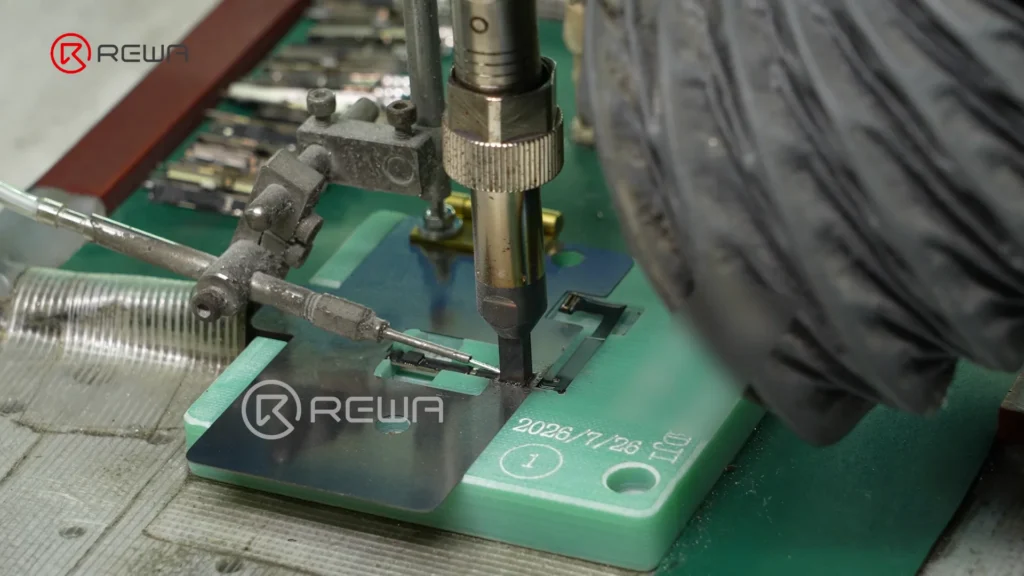
    bonding flex cable

    After bonding, the flex cable connection is verified through FCT (Functional Circuit Test) to check whether the assembled board actually functions as intended.

    Step 7: Battery Cell and BMS Board Assembly

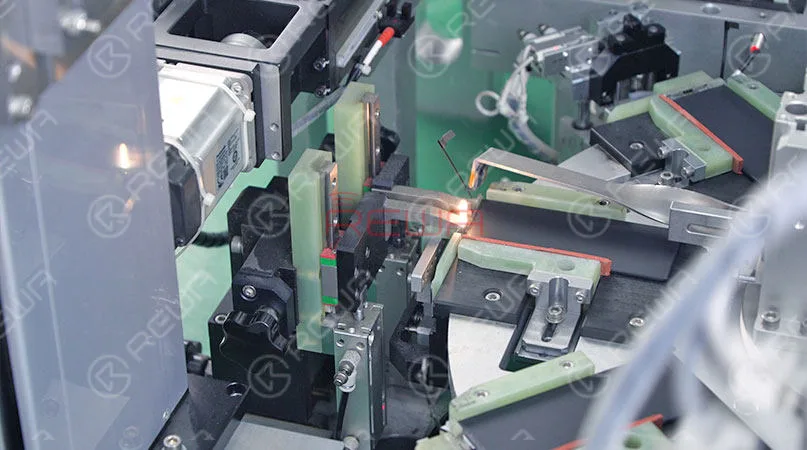
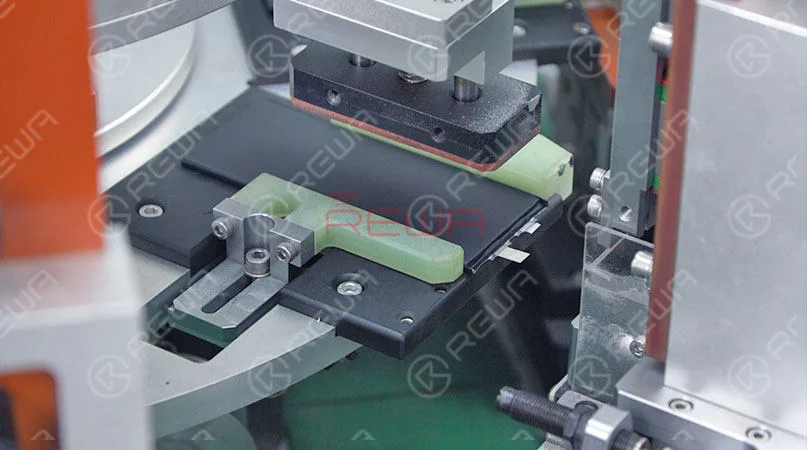
    In the assembly stage, the factory first uses capacity-matched cells. The cell tabs are then cut before the cell is connected to the BMS board through fiber laser spot welding.

    Why Is Weld Quality Important?

    The weld connects the battery cell to the BMS board, so the quality of this connection directly affects the electrical and mechanical integrity of the battery pack.
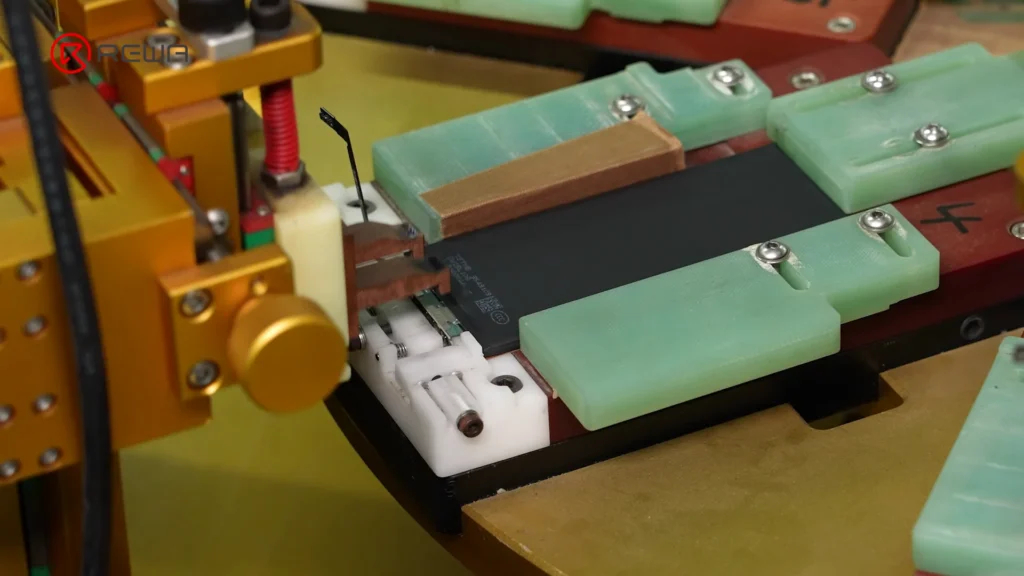
    Automated spot welding equipment connecting a battery cell to a BMS board held in an assembly fixture

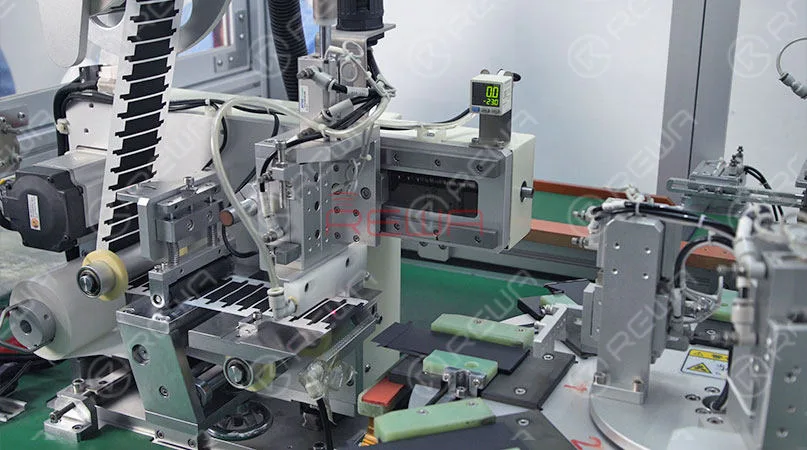
    After welding, each weld joint is checked for durability. The battery pack then receives insulation tape and a rubber casing as part of the assembly process, helping provide both electrical insulation and physical protection.

    Step 8: Final Quality Inspection and Battery Testing

    Manufacturing does not end when the battery pack is assembled. A strict final quality inspection is performed before the battery is considered ready for shipment.

    After final inspection, the battery enters a resting period, during which parameters such as voltage and internal resistance are monitored.
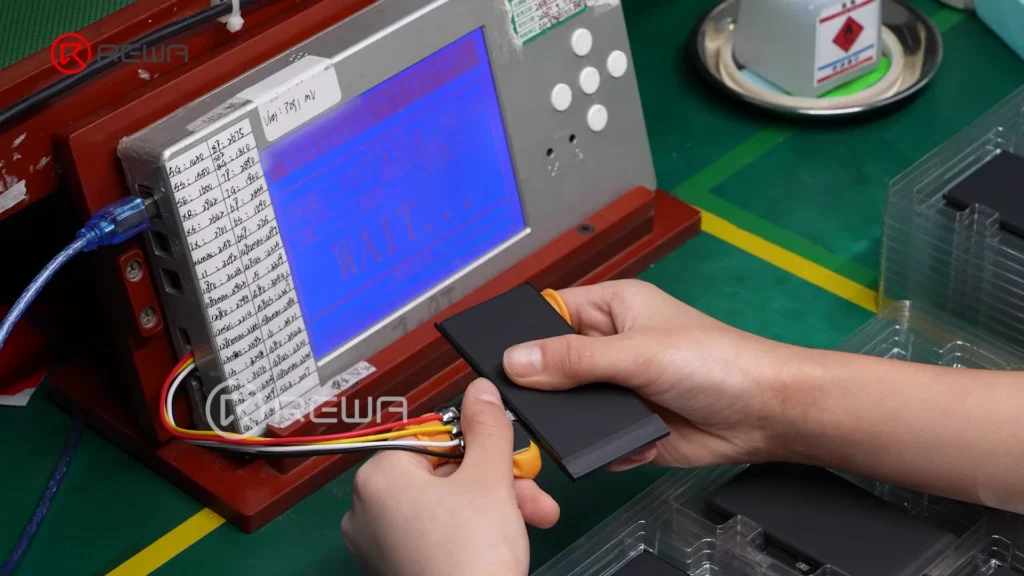
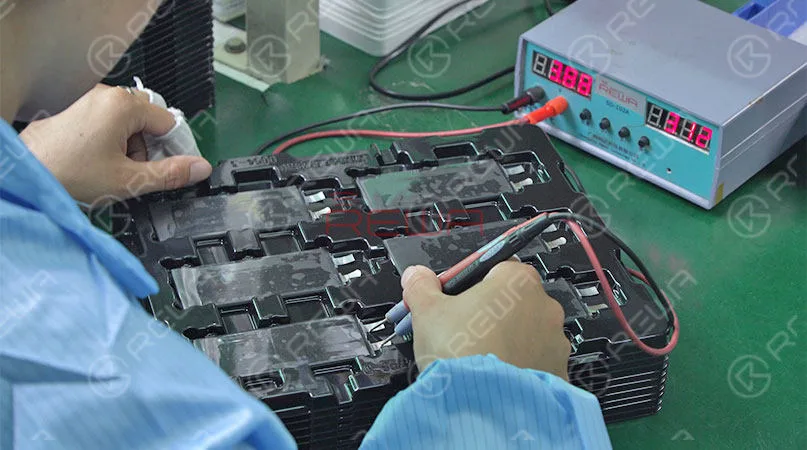
    Technician connecting an assembled iPhone battery to a digital testing device to monitor voltage and internal resistance

    Monitoring voltage and internal resistance during the resting period provides additional data for quality control.

    Why the BMS Board Matters for Aftermarket iPhone Batteries

    The BMS board is often hidden inside the battery, so it is easy to overlook when comparing aftermarket batteries. However, its design and manufacturing quality can influence important aspects of battery operation.

    A reliable third-party battery requires more than simply selecting a battery cell with the right capacity. The cell, BMS board, firmware, electrical connections, protection circuitry, manufacturing process and strict quality test before shipping all work together.
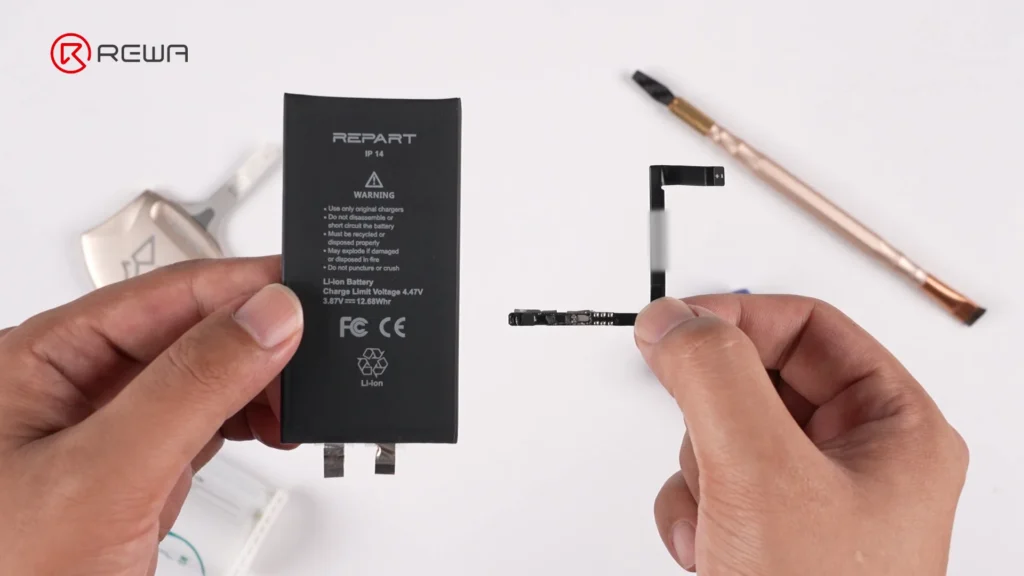
    Hands holding a black iPhone 14 battery cell on the left and a small BMS board with flex cable on the right

    For distributors, refurbishing facilities, and repair shops, this means that battery evaluation should go beyond looking at the printed capacity or external appearance.

    Domande frequenti

    What is the difference between a battery cell and a BMS board?

    The battery cell is the component that stores electrical energy. The BMS board is the electronic management and protection system that monitors the cell and controls related battery functions.

    What is a TI chip in a battery BMS board?

    TI refers to Texas Instruments, a semiconductor manufacturer whose battery-management ICs are used in various battery applications. In the REWA Selected battery board shown in the video, a custom TI chip with an Impedance Track algorithm is used to support accurate battery monitoring and gauge estimation.

    Why are SPI and AOI inspections important?

    SPI checks the accuracy of solder paste printing before components are soldered, while AOI uses cameras to inspect the assembled PCB and solder joints afterward. These inspections help identify manufacturing issues at different stages of PCB production.

    Why does REWA test battery voltage and internal resistance after assembly?

    Voltage and internal resistance provide important information about the electrical condition of a battery pack. Monitoring these parameters after assembly and during the resting period adds another layer of quality control before the battery is shipped.

    Why measure internal resistance during final quality inspection?

    Internal resistance is one of the important electrical characteristics of a battery. Lower internal resistance generally means less electrical energy is lost inside the battery when current flows, although battery performance cannot be judged by this parameter alone.

    Conclusione:

    An aftermarket iPhone battery is more than a battery cell. Behind the finished product is a BMS board that integrates electronic components, battery-management technology, protection functions, firmware, and flex-cable connections.

    From a bare PCB to a complete battery pack, every stage can contribute to the consistency and reliability of the finished battery.

    By combining rigorous quality control process with technical support, REWA Technology is committed to developing high-standard aftermarket battery solutions for professional repair businesses worldwide. If you have any question, please feel free to contattateci.
  • La batteria aftermarket può terminare l'accoppiamento con iOS 18?

    La batteria aftermarket può terminare l'accoppiamento con iOS 18?

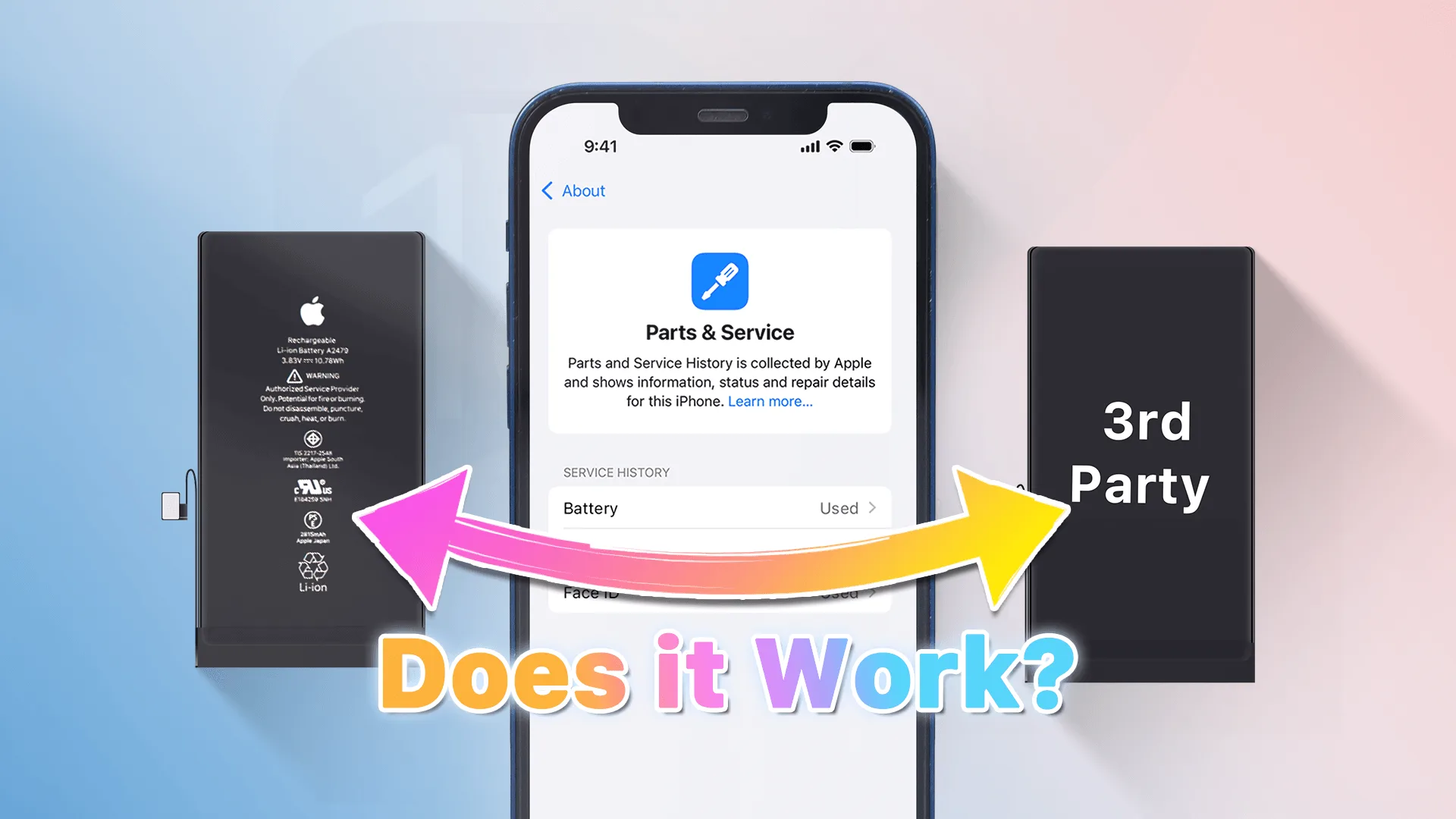
    In questo video REWA Lab vi mostrerà tutti i progressi del test della batteria su iOS 18, installeremo diverse batterie per vedere se possono accoppiarsi con successo con il dispositivo, rimanete sintonizzati per altri video professionali REWA.
    Per gli strumenti di riparazione della batteria, è possibile visitare il sito Web:
    https://rewawp.iamtareq.com/repair-tools/
    Contattateci per maggiori dettagli: +852 5167 5273 / sales@rewa.tech

  • Come devono essere conservate le batterie in un magazzino?

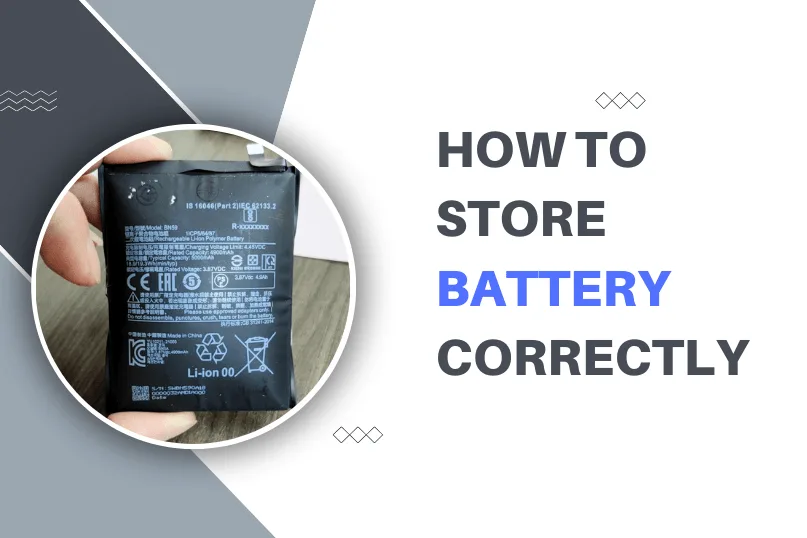
    Come devono essere conservate le batterie in un magazzino?

    Alcuni riparatori e distributori, a causa della mancanza di una guida professionale all'acquisto, non controllano la temperatura e l'umidità di stoccaggio dopo l'acquisto. batterie e celle alla rinfusa e non caricano le batterie in tempo. Questi metodi di stoccaggio errati possono causare guasti alle batterie dopo un periodo di stoccaggio di oltre 3 mesi, come una tensione insufficiente, un rigonfiamento della batteria e così via, causando inutili perdite.

    Oggi REWA condivide le precauzioni per lo stoccaggio delle batterie e le modalità di ricarica, per aiutarvi a conservare correttamente le batterie e le celle, risparmiando così sui costi di gestione.

    Perché le batterie devono essere conservate correttamente?

    Le batterie al litio sono comunemente utilizzate in telefoni, tablet e altri dispositivi elettronici. Lo stoccaggio delle batterie al litio richiede requisiti rigorosi in termini di temperatura e umidità. In termini di carica e scarica delle batterie, la temperatura ha la maggiore influenza tra tutti i fattori ambientali.

    Le reazioni elettrochimiche delle batterie al litio sono legate alla temperatura ambiente. In primo luogo, se la temperatura è troppo bassa, la batteria si blocca e non c'è tensione in uscita. Il blocco della batteria significa che quando la potenza della batteria scende a uno stato estremamente basso, la batteria si blocca automaticamente per proteggere la salute della batteria e la sicurezza dell'utente. In secondo luogo, le temperature eccessive accelerano il tasso di autoscarica della batteria, che non favorisce la conservazione a lungo termine.

    Inoltre, le batterie al litio non possono essere lasciate in uno stato di bassa potenza per un periodo di tempo prolungato, con conseguente riduzione della durata della batteria, che è irreversibile. Per questo motivo, è necessario mantenere le prestazioni della batteria controllando la tensione ogni tre mesi ed eseguendo cicli di carica e scarica se necessario.

    Come conservare correttamente le batterie?

    Se i distributori o le officine di riparazione acquistano batterie e celle all'ingrosso, si consiglia di costruire un magazzino dedicato per lo stoccaggio delle celle. batterie e le cellule nel modo seguente:

    Classificazione Descrizione
     Temperatura di stoccaggio ≤1 mese 0~45℃
     ≤3 mesi 0~30℃
     Umidità di stoccaggio 65±20% RH
     Stoccaggio e trasporto 1. La batteria deve essere conservata in un luogo asciutto e umido, a prova di polvere e di urti.
     2. La batteria deve essere conservata in un ambiente chiaro, asciutto e ventilato, evitando il contatto con sostanze corrosive e lontano da fuoco e calore.
     3. La batteria deve evitare forti vibrazioni, urti e pressioni durante il trasporto, nonché la forte luce solare diretta e la pioggia.
     4. Il tempo di conservazione delle batterie a temperatura normale (20±5℃) è di 6 mesi. Le batterie devono essere caricate una volta per più di 6 mesi. Si raccomanda una corrente di carica di 0,1C 5A.
     Avviso 1. La batteria deve essere scaricata utilizzando il caricabatterie specifico.
     2. Non immergere la batteria in acqua o liquidi e tenere lontano l'umidità.
     3. Evitare di utilizzare la batteria in prossimità di fonti di calore, quali fuoco e stufe.
     4. Non invertire la polarità della batteria per nessun motivo.
     5. Non smontare la batteria. Lo smontaggio potrebbe generare un cortocircuito interno alla batteria. Ciò potrebbe causare gas, incendi, esplosioni o altri problemi. Inoltre, potrebbe verificarsi una perdita di elettrolito, dannosa per la salute. Se il liquido elettrolitico entra negli occhi o in altre parti del corpo, risciacquare con acqua il prima possibile e inviare rapidamente agli ospedali.
     6. Non cortocircuitare mai la batteria. Si generano correnti molto elevate che possono provocare il riscaldamento della batteria e quindi perdite di elettrolito, gas o esplosioni molto pericolose.
     7. Non trattare la batteria di scarto con il fuoco, altrimenti potrebbe causare incidenti pericolosi, come ad esempio un'esplosione.
     8. Se si riscontrano caratteristiche anomale della batteria, come danni all'involucro di plastica della batteria, deformazione della confezione della batteria, odore di elettrolito, perdita di elettrolito e altro, la batteria non deve essere più utilizzata. La batteria con un odore di elettrolito o una perdita deve essere collocata lontano dal fuoco per evitare incendi o esplosioni.

    Come ricaricare batterie e celle?

    Per mantenere le prestazioni della batteria, REWA raccomanda di verificarne la tensione ogni 3 mesi. Se la tensione è troppo bassa, la batteria deve essere ricaricata.

    Fasi di ricarica:

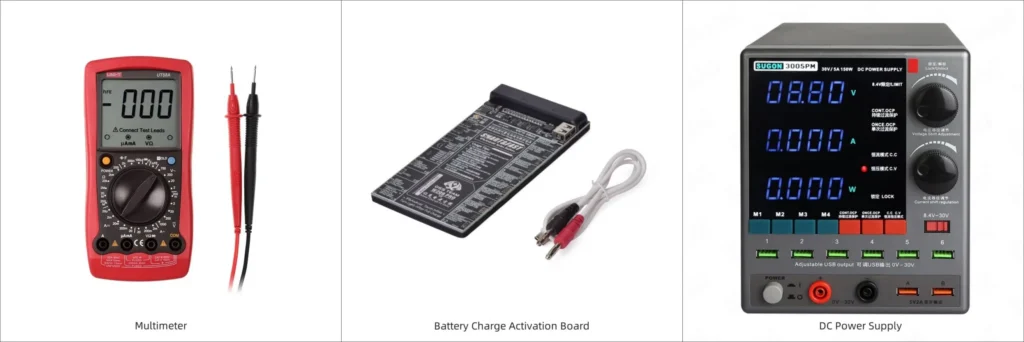
    • Utilizzare un multimetro per controllare la tensione delle batterie.
    • Utilizzare la scheda di attivazione della carica delle batterie e l'alimentatore CC per ricaricare le batterie.

    Linee guida:

    • Per garantire un livello di tensione sicuro, conservare le batterie secondo le istruzioni del prodotto fornite dal fornitore. Batterie diverse possono avere livelli di tensione standard diversi.
    • Quando la tensione della batteria scende al di sotto della soglia di sicurezza, è indispensabile ricaricarla tempestivamente e in modo sicuro.
    • Si noti che le batterie profondamente scariche sottoposte a una carica ad alta corrente possono surriscaldarsi, gonfiarsi o danneggiarsi. Pertanto, per una ricarica sicura, si raccomanda di combinare la carica di mantenimento con la carica regolare.

    Le operazioni di ricarica richiedono competenze specifiche. Se necessario, contattare REWA per soluzioni di ricarica personalizzate. REWA offre soluzioni di ricarica sia individuali che di massa per batterie e celle di batterie.

    Contattare ora: +852 5167 5273 /sales@rewa.tech.

    how should batteries be stored warehouse battery charging tools

    Sintesi

    Le batterie e le celle utilizzate nei dispositivi elettronici, tra cui telefoni cellulari, tablet, orologi intelligenti e così via, sono materiali di consumo con una durata limitata. Di solito possono essere caricate e scaricate 300-500 volte. Per questo motivo, imparare il metodo di stoccaggio ottimale equivale a prolungare la vita della batteria e a garantire un maggiore ritorno dell'investimento.

  • iPhone 12 Pro Battery Replacement: Cost & Shop Guide

    iPhone 12 Pro Battery Replacement: Cost & Shop Guide

    iPhone 12 Pro battery replacement is more than a simple cell swap. This model uses an encrypted battery protection board, so aftermarket installs usually need a BMS transfer, data rewrite, and a tag-on flex. Genuine Apple batteries follow a different path with Apple Service Toolkit 2 (AST2).

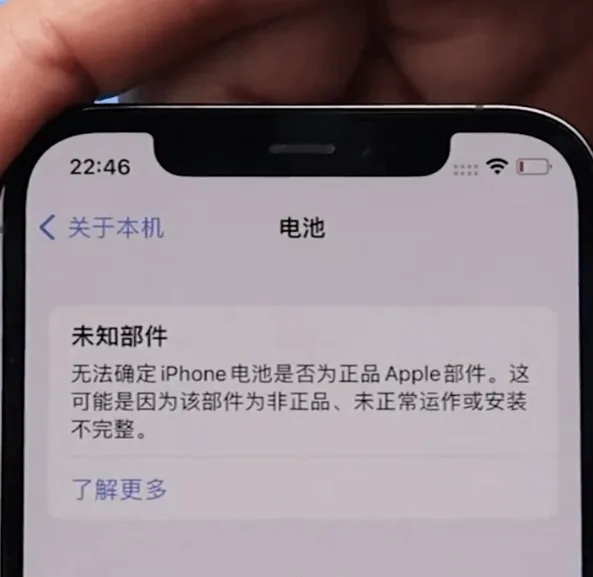
    This guide walks through when to replace, what it typically costs, the shop method vs Apple parts, and how to clear the “Unable to verify this iPhone has a genuine Apple battery” alert. It is written for repair shops and advanced DIY techs who already work with heat, adhesive, and small connectors.

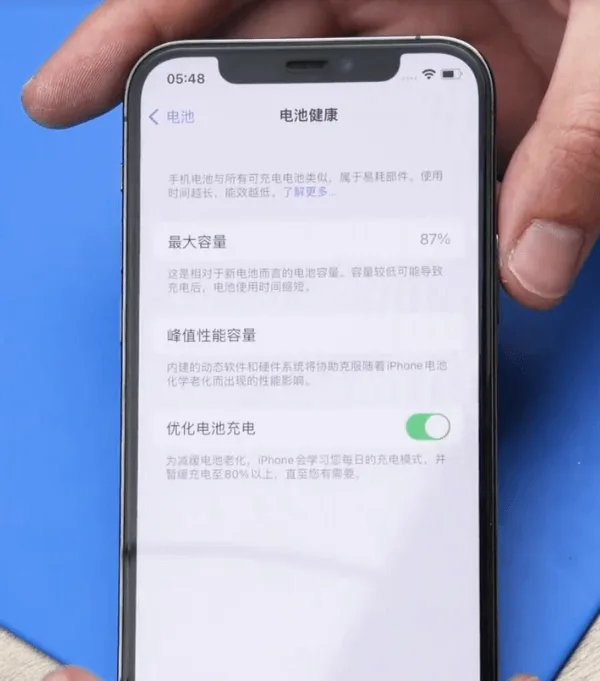
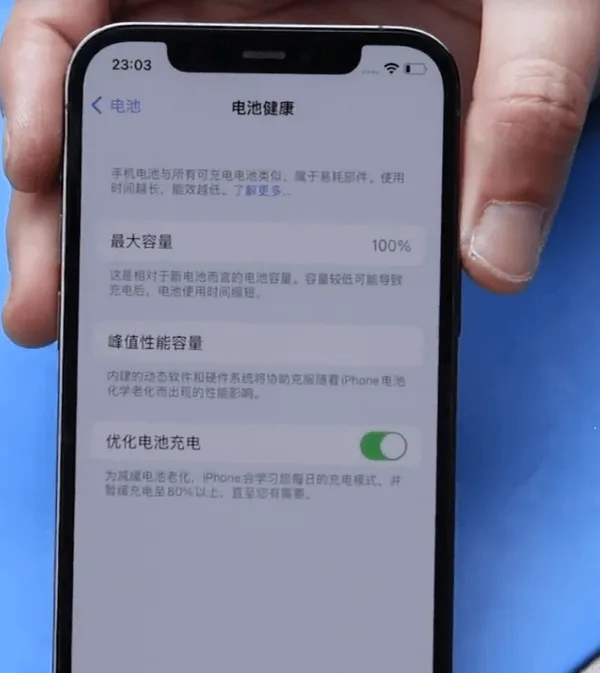
    iPhone 12 Pro battery health at 87 percent

    Example device: iPhone 12 Pro
    Battery Health: 87% (Settings → Battery → Battery Health → Maximum Capacity)

    When to replace an iPhone 12 Pro battery

    Apple designs iPhone batteries (14 and earlier, including the 12 Pro) to retain about 80% capacity at 500 complete charge cycles under ideal conditions. Many techs still quote a swap near or below 80%, or when Battery Health shows a Service recommendation. Customers sometimes request a replacement earlier (for example at 85-90%) to restore full-day runtime. That is a preference call, not a hard Apple rule.

    In the example above, health sits at 87%. A replacement can still make sense if the customer wants better runtime, or if the phone shows unexpected shutdowns, heat while charging, or peak performance messages.

    Cost and battery specs (quick reference)

    Prices vary by country, tax, and part grade. Use these U.S.-oriented figures as a planning baseline, then confirm local quotes:

    • Apple / AppleCare+ service: about $89 out of warranty for iPhone 12 / 12 Pro battery service (AppleCare+ is often no extra charge when capacity is below 80%). Always re-check Apple’s current estimate tool.
    • Independent shop: often about $50-$100+ depending on city, warranty, and whether the shop transfers the BMS or uses AST2.
    • DIY / wholesale cell: kits often land around $40-$60 retail; shop wholesale cells can undercut that.

    Capacity reference (teardown consensus, not an Apple datasheet line): about 2,815 mAh (~10.78 Wh at 3.83 V). Common part marking refs include A2479 (also seen as styles like 11CP5/45/85 on replacement listings). iPhone 12 and 12 Pro share the same capacity class; 12 Pro Max does not.

    How to replace an iPhone 12 Pro battery

    1. Battery protection board encryption (aftermarket path)

    The iPhone 12 Pro uses an encrypted battery protection board. Dropping in a raw aftermarket cell without handling the board and data is how shops get a permanent Important Battery Message and missing health percentage.

    Transfer the protection board: Carefully remove the old pack, separate the original BMS / protection board, and spot-weld that board onto the new cell tabs with a proper fixture. Use a welding machine (or equivalent laser / resistance welder). Align anode and cathode correctly, then insulate with the correct tape and bracket.

    2. Rewrite battery data

    Models before 2018: A battery programmer rewrite was often enough.

    XS and later (including iPhone 12 Pro): After board transfer and data rewrite with a programmatore, attach a tag-on flex when you change cell data so authentication does not leave a permanent alert.

    Nota: Skip these steps and you will usually see “Unable to verify this iPhone has a genuine Apple battery” after power-on.

    3. Official Apple battery + AST2

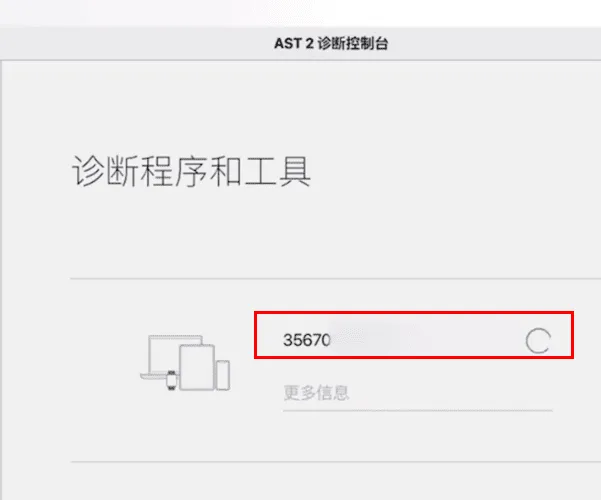
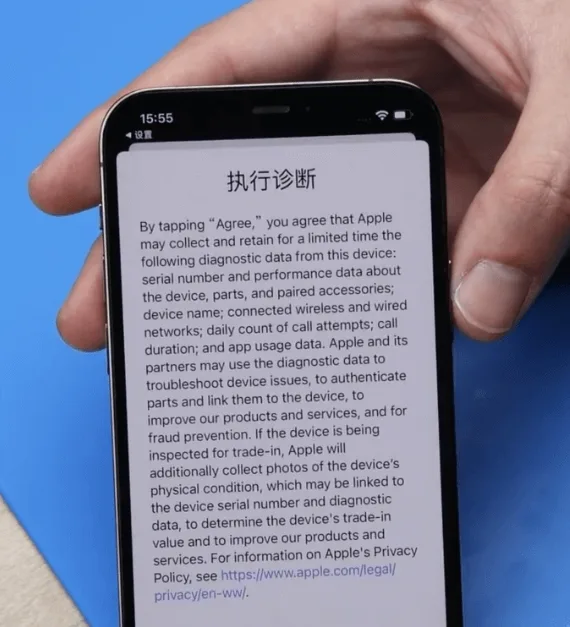
    For genuine Apple parts, keep the phone on Wi-Fi and use Apple Service Toolkit 2 (AST2):

    Apple Service Toolkit 2 (AST2):

    • Log in to AST2.
    • Enter the battery serial number and run diagnostics on the phone.
    • After diagnostics clear, proceed with the battery install.

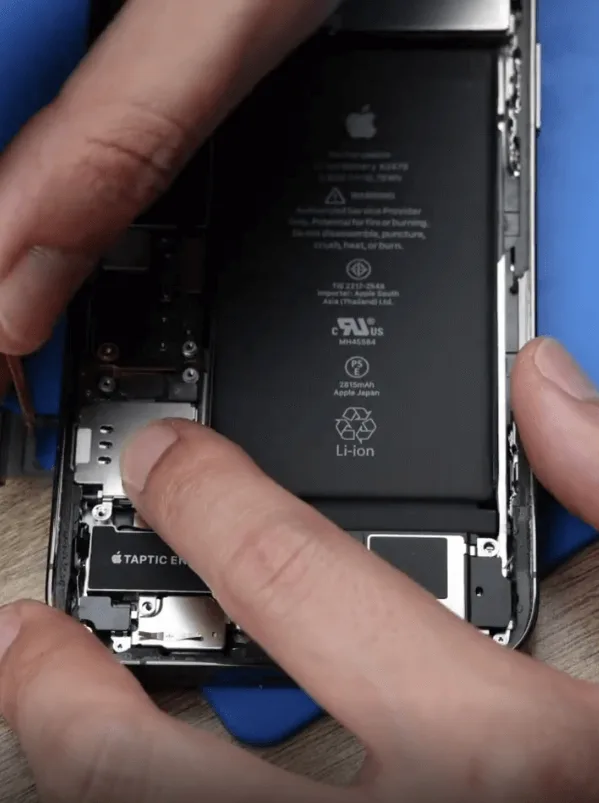
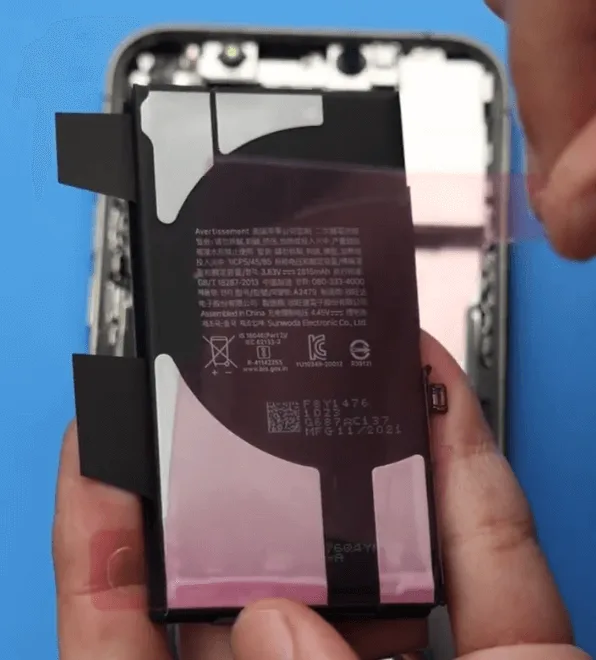
    4. Remove the old battery

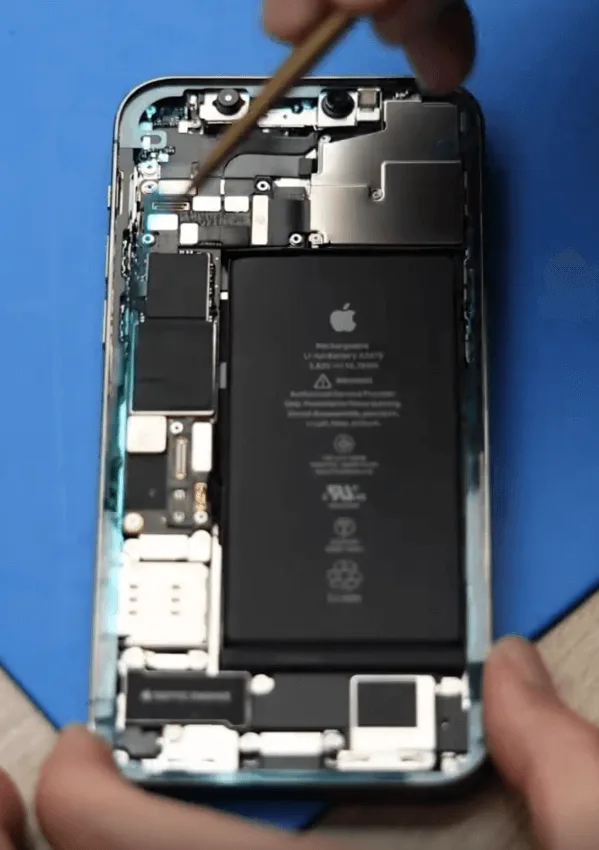
    Remove the original iPhone 12 Pro battery carefully
    • Open the display safely; do not crease flexes.
    • Disconnect the battery connector, then remove the original pack with adhesive pull tabs or isopropyl. Never lever hard under a swollen cell.
    • Apply new waterproof frame adhesive. It restores a seal; it does not magically restore factory IP68 rating.

    5. Install the new battery

    • Seat the new iPhone 12 Pro battery (or your shop cell with transferred BMS).
    • Reconnect the battery connector, reassemble the display, and power on.
    • Verify charge, Battery Health visibility, and that the phone boots cleanly under load.

    6. Clear the genuine battery alert

    iPhone 12 Pro battery replacement complete
    • Initial alert: On first power-up you may see “Unable to verify this iPhone has a genuine Apple battery.”
    • Genuine Apple path: Log back into AST2 and run diagnostics again to clear the non-original alert.
    • Aftermarket path: Confirm BMS transfer, programmer write, and tag-on flex were done correctly. Persistent alerts usually mean a skipped auth step.

    Watch how to clear Important Battery Message pop-ups on iPhone XS through 12 Pro Max:

    iPhone XS-12 Pro Max Important Battery Message pop-ups removing

    Domande frequenti

    Do iPhone 12 and iPhone 12 Pro use the same battery?

    Teardown reporting puts them in the same capacity class (~2,815 mAh). Always match connector, tab layout, and thickness for your fixture. 12 Pro Max is a different pack.

    Should I replace at 87% Battery Health?

    Apple’s usual guidance centers on ~80% or a Service recommendation. At 87%, replace if runtime no longer meets the customer’s needs or if shutdowns and heat point to a weak cell.

    Why does an aftermarket battery show an Important Battery Message?

    The 12 Pro pairs battery authentication to the phone. Without a correct BMS transfer, data rewrite, and tag-on when required, iOS flags the pack as non-genuine.

    Is AST2 required for every battery job?

    No. AST2 is the genuine Apple / authorized-service path. Aftermarket shop jobs use board transfer, programmer, and tag-on instead.

    Will new waterproof adhesive restore water resistance?

    It restores a seal and is good practice. It does not guarantee factory IP68 performance after a open-repair.

    How much does Apple charge for an iPhone 12 Pro battery?

    Out-of-warranty battery service is commonly cited around $89 for iPhone 12 / 12 Pro in the U.S. Confirm Apple’s current estimate for your region before quoting.

    Wrap-up

    A clean iPhone 12 Pro battery replacement means picking the right path: aftermarket (BMS transfer + programmer + tag-on) or genuine Apple (AST2 diagnostics). Keep adhesives fresh, never force a swollen cell, and verify auth and health on first boot so you avoid callbacks.

    Need cells, welders, or programmers for the bench? Browse REWA tools, including iPhone battery cell replacements, battery programmers, e spot welding machines.

  • Batteria iPhone aftermarket: tutto quello che c'è da sapere!

    Batteria iPhone aftermarket: tutto quello che c'è da sapere!

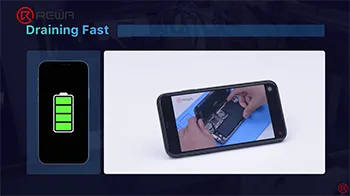
    La sostituzione della batteria è una delle riparazioni più comuni per un iPhone. Sul mercato esistono numerosi tipi di batterie per iPhone con qualità diverse. Se si acquistano batterie per iPhone di qualità inferiore, è molto probabile che si verifichino problemi di scaricamento rapido, cuscino piccante, surriscaldamento e così via.

  • Come viene assemblata una batteria aftermarket certificata REWA?

    Come viene assemblata una batteria aftermarket certificata REWA?

    All batteries are consumables. According to Apple, the battery would only last 80% of its original capacity after 500 complete cycles. So you might need to replace your battery and enjoy an optimal play-time.

    Thanks to the advanced assembling process, REWA battery has been enjoyed a low RMA rate all the time. The whole process including:

    1. Storage warehouse

    2. Incoming material inspection

    3. Automatic assembling

    4. Battery cell preparation

    5. Laser welding

    6. Insulating tape sticking

    7. L-shaped Nickle bending

    8. Protection board bending

    9. Manual FPC shaping

    10. Forming tape sticking

    11. Function test

    Check our video today for more details.

  • Test di compatibilità dello schermo e della batteria di iPhone aftermarket con iOS 13

    Test di compatibilità schermo e batteria aftermarket per iPhone su iOS 13

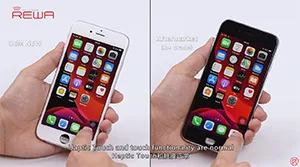
    iOS 13 è stato ufficialmente rilasciato da un mese. Al fine di fornire ai nostri clienti caratteristiche di qualità stabile, REWA LAB ha condotto una serie di test di compatibilità per la serie iPhone da iPhone 6s a iPhone X con schermi OEM NEW, di alta qualità aftermarket e batterie aftermarket rispettivamente. Ora, prendiamo come esempio iPhone 6s, iPhone 8P e iPhone X e vi mostriamo come procede il test.

    Suggerimenti: iOS 13 supporta solo l'iPhone 6s e modelli successivi.

  • Come viene assemblata una batteria aftermarket certificata REWA?

    Come viene assemblata una batteria aftermarket certificata REWA?

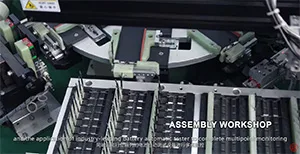
    There are mainly three steps for the manufacturing of a battery. Battery cell packaging, protection board trimming and battery assembling. Today we will introduce the battery assembling process of REWA batteries. With different automation equipment applied during the whole core process, the battery assembling process is highly ensured. The application of industry-leading battery automatic tester also achieves multipoint monitoring from raw materials, manufacturing procedure to the finished product. In this way, defective products can be ruled out in time. Follow us and take a closer look at the battery assembling process now!

    1.) Warehousing

    One temperature-controlled storage warehouse for battery cells, another one storage warehouse for other materials.

    2.) Inspecting

    Check parameters of the battery cell, soldering techniques of the PCB and run cosmetic inspection of other materials. Ensure the quality of all materials from the source and complete the first task of incoming material control.

    3.) Automatic Assembling

    As an important procedure that can directly affect the defective rate and stability. The whole procedure is ensured by automation equipment to lower the defective rate and improve battery stability to the most extent.

    A. Battery Cell Preparation

    With the help of the multi-functional machine battery cell preparation, lug shaping, OVC test and lug cutting are completed to ensure that the lug of the battery can be shaped perfectly.

    Come viene assemblata una batteria aftermarket certificata REWA?

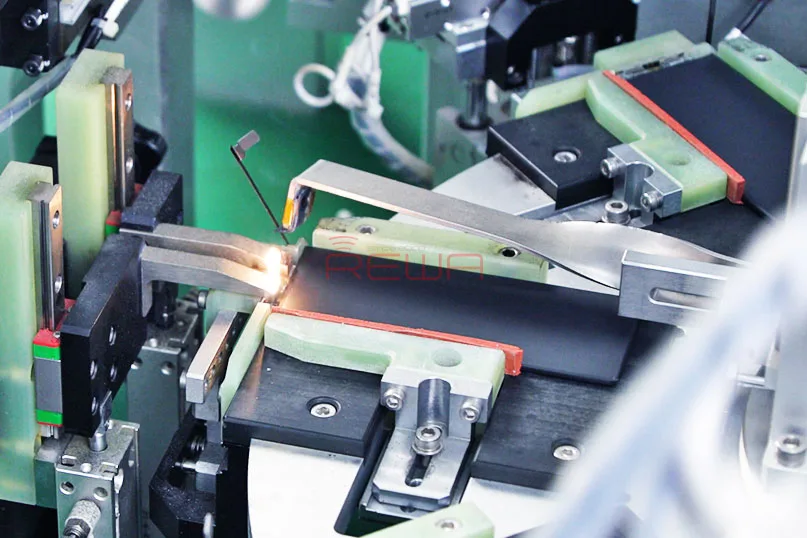
    B. Laser Welding

    Laser welding is the most important procedure during the assembling process. Weld the protection board with laser precisely can definitely avoid unstable battery quality caused by poor welding.

    Come viene assemblata una batteria aftermarket certificata REWA?

    C. Insulating Tape Sticking + L-shaped Nickle Bending + Protection Board Bending

    Complete insulating tape sticking, L-shaped Nickle bending and protection board bending with the help of the three-in-one multi-functional machine.
    Come viene assemblata una batteria aftermarket certificata REWA?

    D. Manual FPC Shaping

    This step is to stabilize the battery cell and the protection board.

    E. Forming Tape Sticking

    Complete the forming tape sticking with the specialized machine. Run cosmetic inspection of the semi-finished battery once confirmed, move on to the Logo printing process.

    Come viene assemblata una batteria aftermarket certificata REWA?

    4.) Function Test

    Run precise voltage test and internal resistance test on the semi-finished battery. Therefore the functional stability of the battery can be ensured.

    5.) Function Test & Cosmetic Inspection

    Run function test and cosmetic inspection before shipment. Every single battery you received is qualified and certified.

    Conclusione:

    Thanks to the superior battery cell packaging and protection board trimming of the upstream factory and precise automation equipment support of the battery assembling factory, REWA battery has enjoyed a low RMA rate all the time. Cooperating with the strict quality control process, REWA battery has been quality&stability guaranteed to bring you worry-free user experience that shall be your best choice!

    REWA certified Replacement Battery for iPhone/iPad/Samsung/Huawei: http://bit.ly/2MpJHwk

  • All'interno del processo di produzione delle batterie:

    All'interno del processo di produzione delle batterie:

    inside battery manufacturing process close look to rewa batteries supply

    Nei nostri articoli precedenti, REWA ha spiegato cosa deve essere effettivamente una batteria qualificata e come ispezioniamo le batterie.

    Ora vi condurremo in profondità nella produzione delle batterie per scoprire come vengono prodotte le batterie ai polimeri di litio e quali sono le fasi che le batterie qualificate devono affrontare prima di essere consegnate in modo sicuro.

    Processo di produzione delle batterie

    Le fasi principali sono quattro: ispezione in ingresso, assemblaggio della batteria, test delle prestazioni della batteria ed etichettatura/stampa.

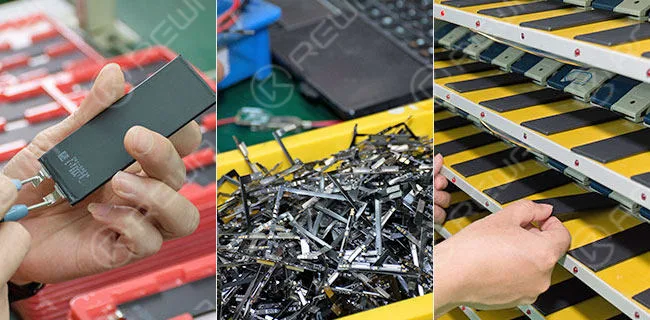
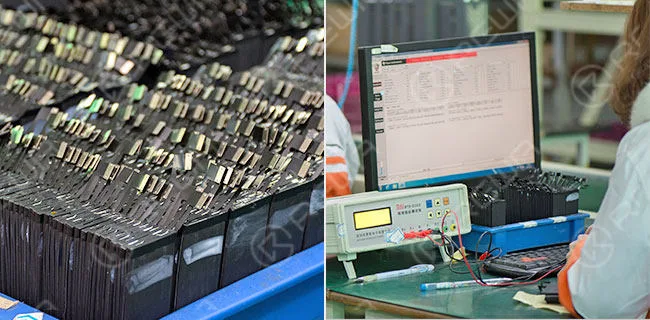
    1. L'ispezione in entrata comprende l'ispezione delle celle, l'ispezione della scheda di protezione e la classificazione della batteria. Tutti i materiali utilizzati per la batteria devono superare un'ispezione rigorosa prima dell'assemblaggio.

    inside battery manufacturing process

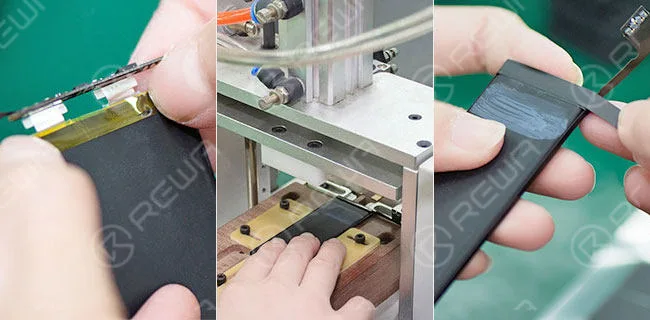
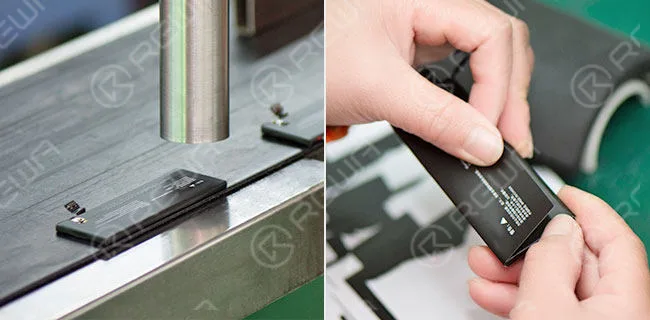
    2. Il processo di assemblaggio della batteria prevede 6 fasi: rifilatura della scheda di protezione, taglio della linguetta dell'anodo e del catodo, saldatura a punti dell'anodo e del catodo, incollaggio del nastro isolante, installazione della staffa della scheda di protezione e fissaggio della staffa.

    inside battery manufacturing process 2

    3.Il test delle prestazioni della batteria è un processo semplice ma significativo.

    Tutte le batterie vengono controllate due volte per garantire la capacità sufficiente e la sicurezza.

    inside battery manufacturing process 3

    4. L'etichettatura e la stampa sono l'ultima fase del processo di produzione della batteria. Le informazioni sulla batteria possono essere etichettate o stampate sulla batteria da una macchina speciale.

    Uno dei vantaggi di REWA per le batterie è che offriamo etichette e stampe personalizzate per le esigenze dei nostri clienti.

    inside battery manufacturing process 4

    Imballaggio

    La batteria contiene alti livelli di energia elettrica.

    Se imballato in modo improprio durante il trasporto, può andare in cortocircuito, surriscaldarsi e prendere fuoco.

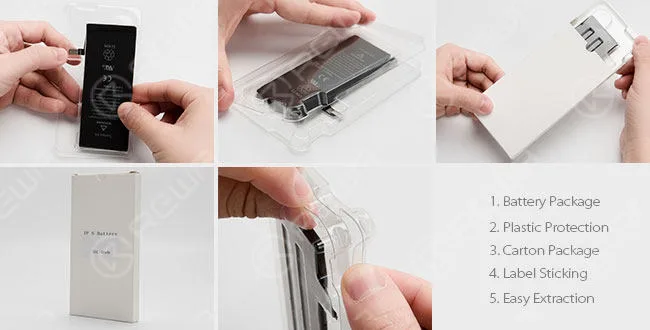
    Per garantire che le batterie siano consegnate in modo sicuro ai nostri clienti, le batterie REWA sono imballate in una scatola blister per proteggerle da eventuali danni durante il trasporto.

    La scatola blister è stata progettata per facilitare lo stoccaggio e l'estrazione, è utile e aiuta a risparmiare tempo.

    inside battery manufacturing process 5

    Servizio personalizzato

    REWA offre un servizio di etichettatura e stampa personalizzato per i propri clienti.

    Che si tratti di un logo da visualizzare, di un'avvertenza o di una descrizione, qui è possibile creare la forma giusta.

    Logistica

    Sappiamo tutti che le batterie possono essere regolamentate come materiali pericolosi per il trasporto.

    REWA assicura un canale logistico fluido, efficiente, affidabile e sicuro per offrirvi il servizio logistico più valido e affidabile.

    Per ridurre le spese di trasporto, abbiamo sfruttato i servizi logistici di UPS, DHL, TNT, FedEx e altre linee speciali.

    Certificazioni

    Poiché il controllo delle batterie al litio diventa sempre più severo, molti Paesi hanno ottenuto le relative certificazioni.

    Oltre a CE, FCC, RoHs, MSDS, le batterie REWA hanno superato anche altre autorevoli certificazioni come: ICE62133, EMC e UN38.3.

    Queste certificazioni non solo garantiscono un utilizzo sicuro della batteria, ma sono anche utili per lo sdoganamento.

    Da REWA troverete le batterie giuste a prezzi vantaggiosi, non solo qualificate, ma anche economiche e personalizzabili. Quindi, perché non fare un tentativo?