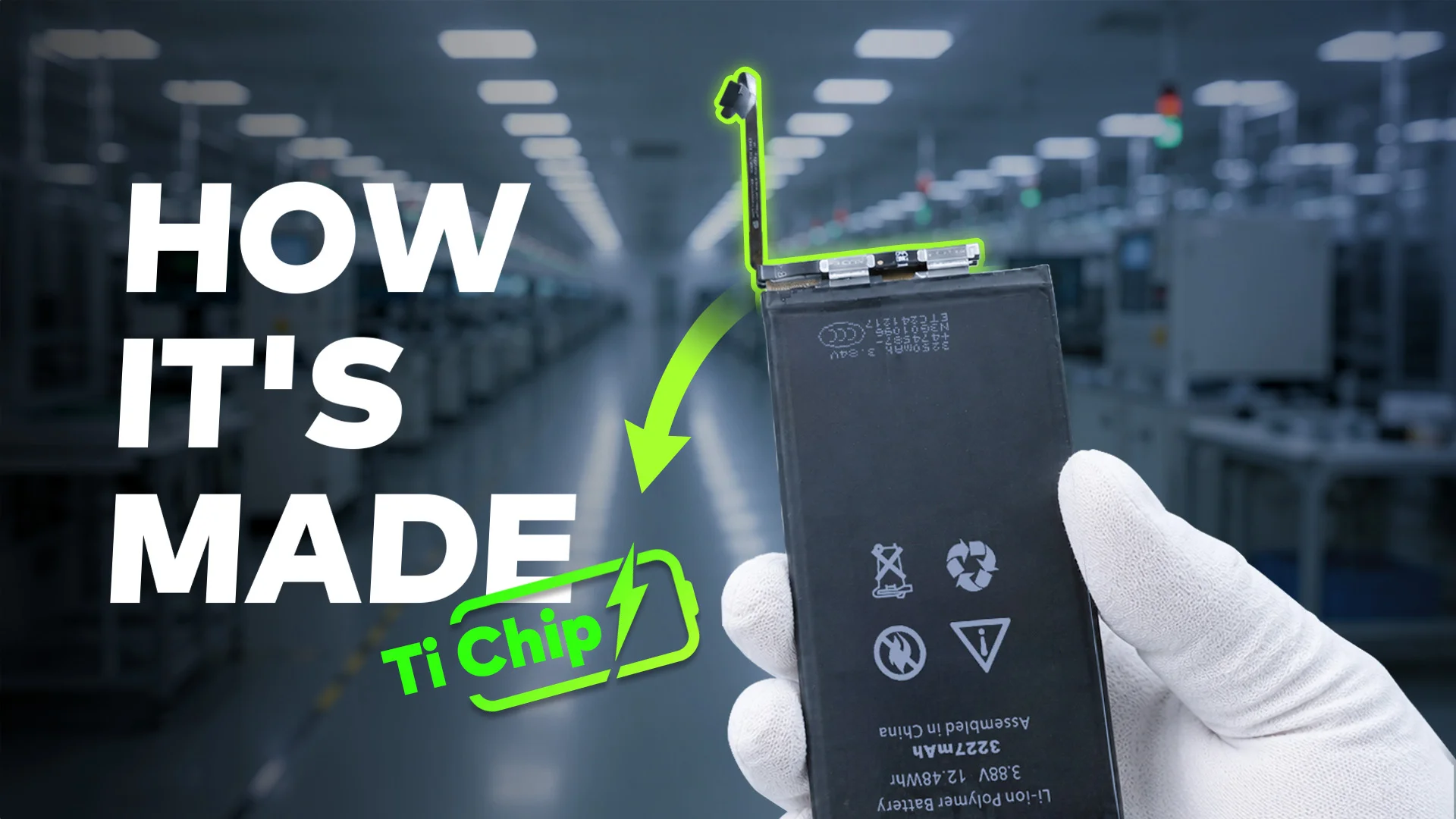
Étiquette : batterie de rechange

  • How iPhone Aftermarket Battery BMS Boards Are Made

    How iPhone Aftermarket Battery BMS Boards Are Made

    When choosing an iPhone aftermarket battery, the BMS board (Battery Management System board) plays an important role in battery performance. So, what makes a third-party battery board reliable?

    In this article, REWA Lab takes you to explore how an iPhone aftermarket battery BMS board is manufactured, from bare PCB assembly and TI chip placement to firmware programming, functional testing, battery cell assembly, and final strict quality inspection.
    how iphone aftermarket battery bms boards made the crucial stages to

    What Is an iPhone Battery BMS Board?

    The BMS board is the control and protection system of a rechargeable battery, helping monitor the battery and protect it during charging and use.

    For an aftermarket iPhone battery, the BMS board works alongside the battery cell. While the cell stores the electrical energy, the BMS board manages and monitors important battery-related functions.
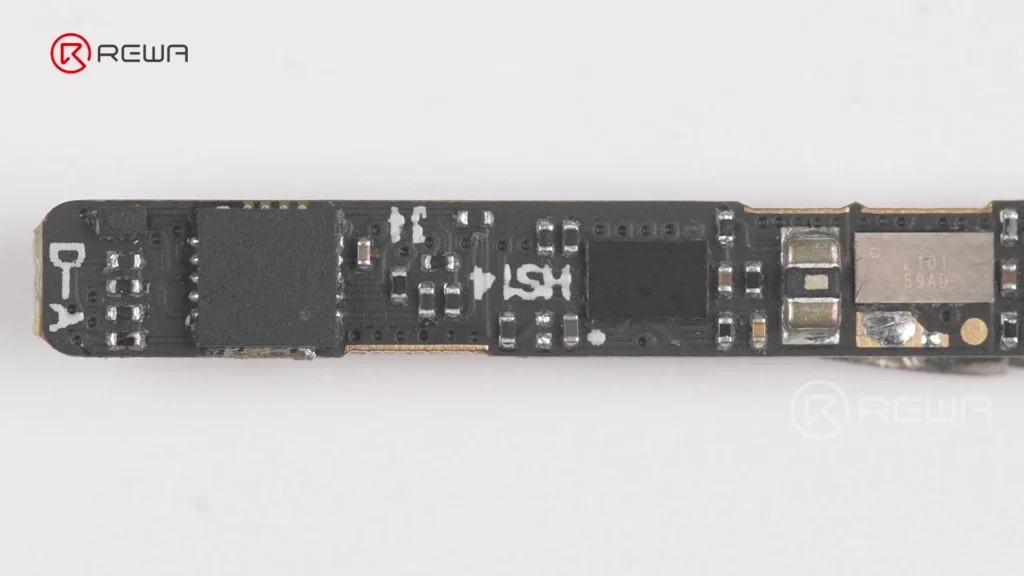
    Close-up view of a populated black iPhone battery BMS circuit board with surface-mounted chips and electronic components

    Depending on the design, a battery BMS board can help with functions such as:

    • Battery voltage & current monitoring
    • Temperature-related protection
    • Overcharge & short-circuit protection
    • Battery data and state-of-charge estimation
    • Communication between the battery and device

    This is why two aftermarket batteries using cells with similar specifications can still have different real-world performance and reliability.

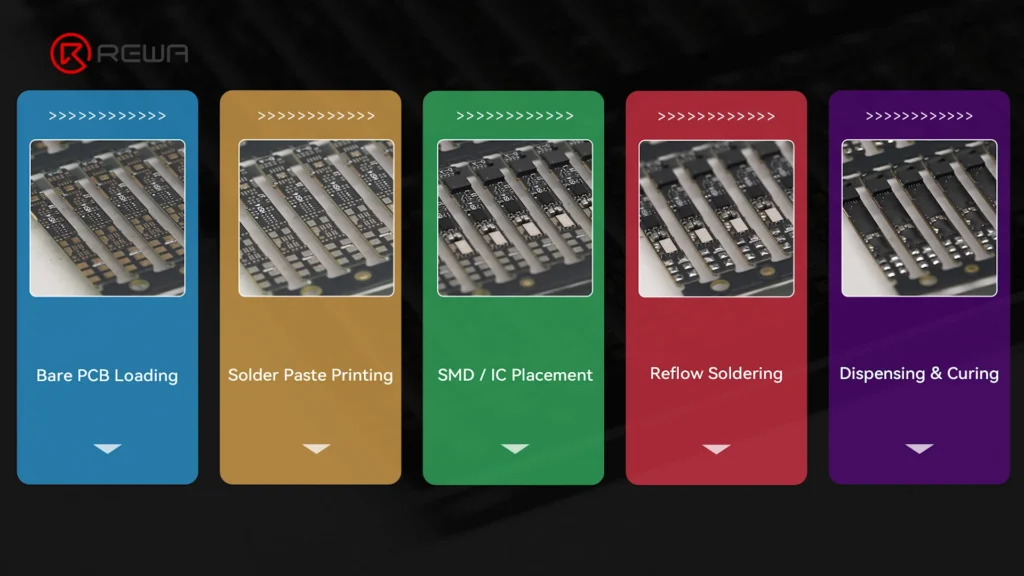
    Step 1: Bare PCB Preparation and SMT Assembly

    The manufacturing process starts with a bare PCB, which is the foundation of the BMS board. Before production begins, the factory receives bare PCBs that have already passed IQC inspection and loads them onto SMT feeder racks for automated component placement.

    En termes simples :

    SMT stands for Surface Mount Technology. It is a manufacturing method that places tiny electronic components directly onto the surface of a circuit board.

    The basic process begins with solder paste printing. The PCB is positioned against a stencil, and solder paste is applied to precisely defined positions on the board.
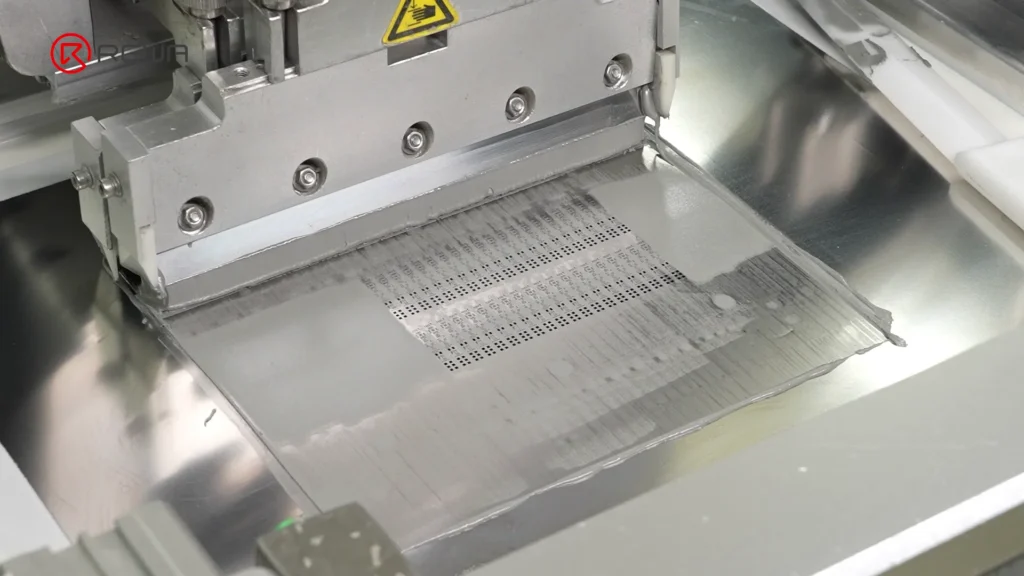
    Automated SMT squeegee applying gray solder paste over a stencil onto a BMS circuit board

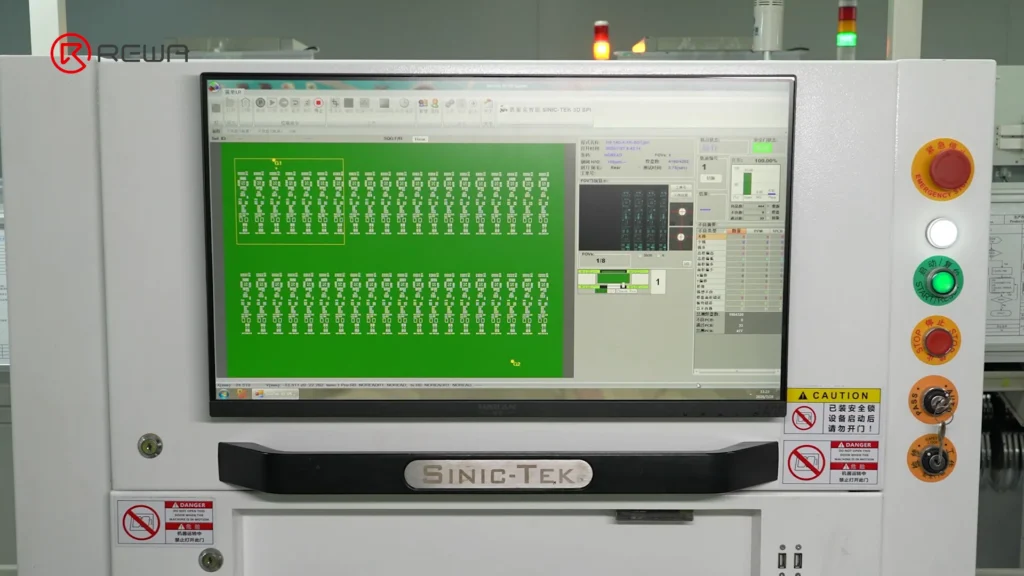
    Infrared marking helps identify the positions of the solder pads, while an SPI system checks the printed solder paste to identify issues such as:

    • Solder paste offset
    • Insufficient solder paste
    • Excessive solder paste
    • Solder bridging
    A Sinic-Tek 3D SPI machine monitor displaying a panel inspection layout for solder paste quality control

    This inspection is important because inaccurate solder paste printing can affect the quality of component soldering later in the process.

    Step 2: High-Speed Component Placement

    After solder paste printing, SMT machines precisely place resistors, capacitors, inductors, and other components onto their designated positions on the PCB.

    High-speed nozzles pick up individual components and place them according to the programmed layout of the PCB. Infrared reference marks help the equipment maintain accurate positioning.
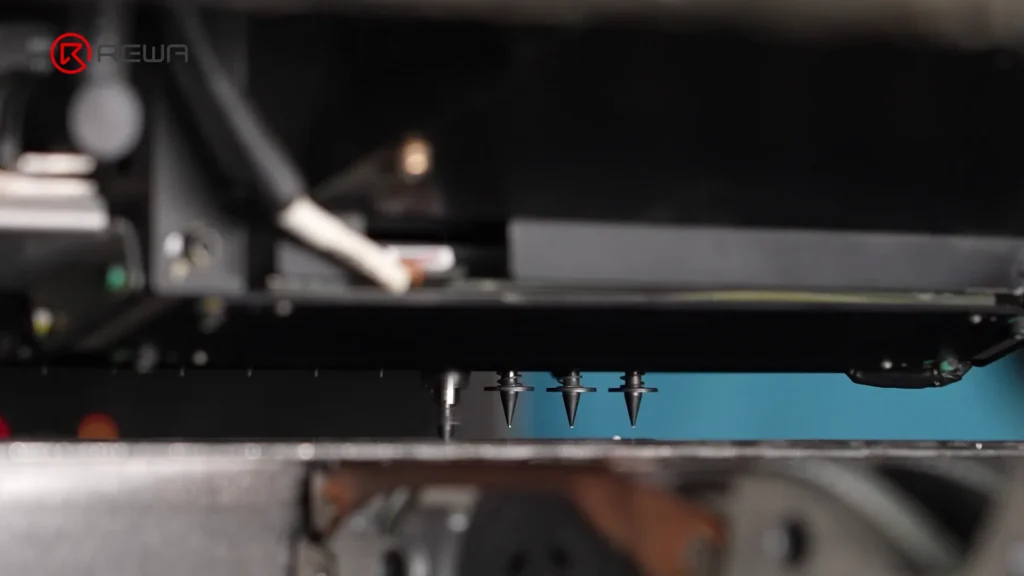
    Automated SMT pick-and-place nozzles positioned above a circuit board

    For battery BMS boards, precise component placement is essential because the board contains many small components within a compact design.

    Step 3: Installing the TI Battery Management Chip

    One of the key components on the board is the TI chip. As a key control component of the battery management system, it serves as the “brain” of the BMS, helping monitor and manage battery performance.
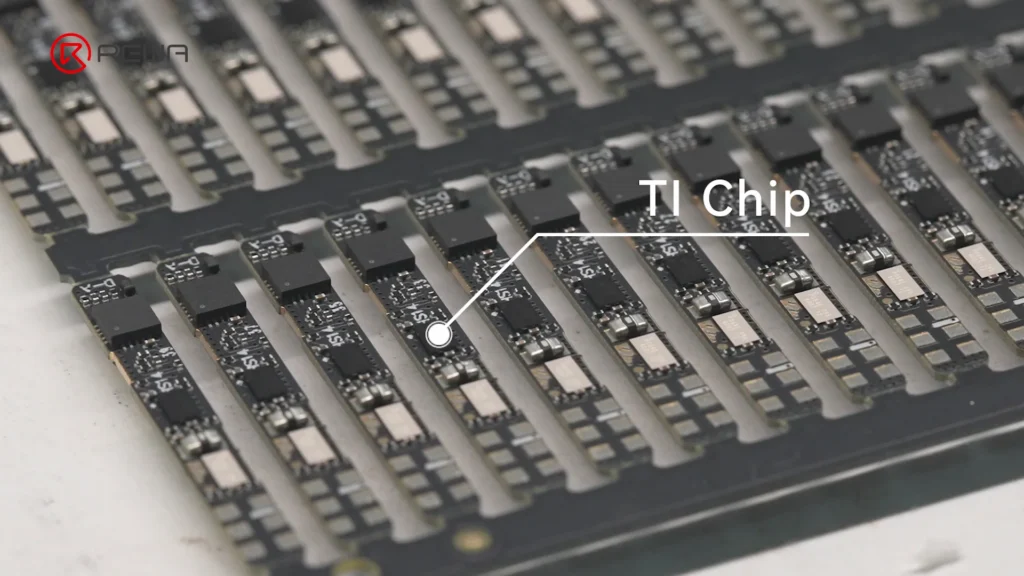
    Array of BMS circuit boards with a callout label pointing to the installed TI chip

    Le REWA Batterie sélectionnée board uses a custom TI chip with an Impedance Track algorithm.

    En termes simples :

    The algorithm helps the battery system estimate the battery’s remaining capacity more accurately by tracking the battery’s electrical characteristics, including impedance.

    Battery impedance changes as the battery operates and ages. Monitoring these characteristics allows the battery management system to make more informed estimates of the battery’s actual state.

    Step 4: Reflow Soldering and AOI Inspection

    Once the components have been placed, the PCB enters the reflow soldering process. The board passes through a controlled thermal profile consisting of preheat, soak, reflow, and cooling stages, permanently connecting the components to the PCB.

    Afterward, the board undergoes AOI (Automated Optical Inspection) scanning.

    Simply put:

    AOI uses cameras to inspect the board automatically and compare the soldered components and joints against predefined standards or a golden sample.
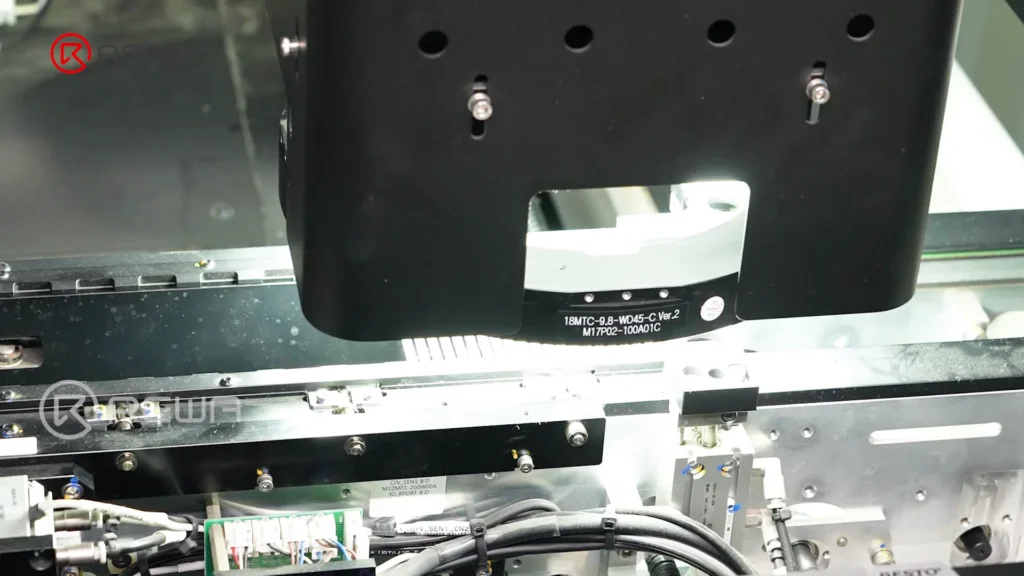
    Automated optical inspection machine head scanning circuit boards under bright light on an assembly line

    If the system identifies an NG (No Good) board, the board is manually reviewed to separate real defects from false positives.

    Step 5: Underfill Reinforces BGA Component Connections

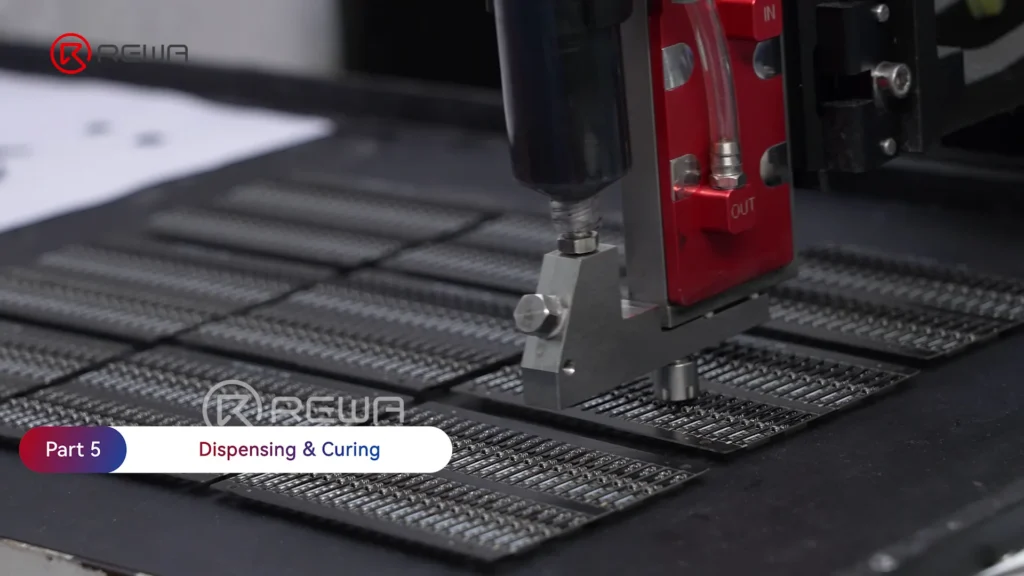
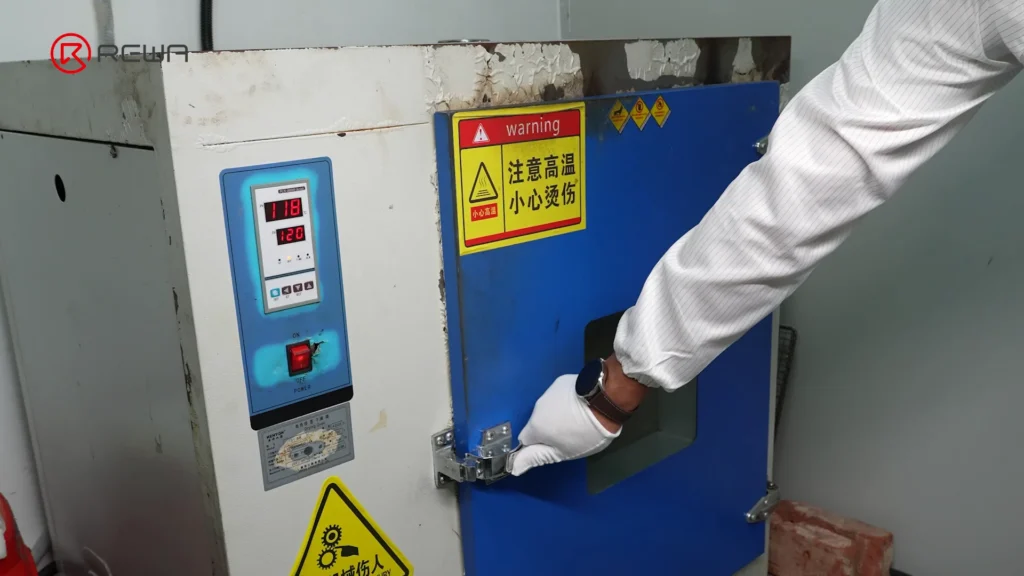
    After solder inspection, automated equipment applies underfill along the edges of BGA components before the adhesive is cured in an oven, which helps provide additional mechanical support.

    For battery BMS boards, this stage can improve resistance to physical shock and vibration, helping strengthen the connection between the component and PCB during handling and use.
    How iPhone Aftermarket Battery BMS Boards Are Made
    A gloved worker closing the door of an industrial drying oven used to cure underfill adhesive

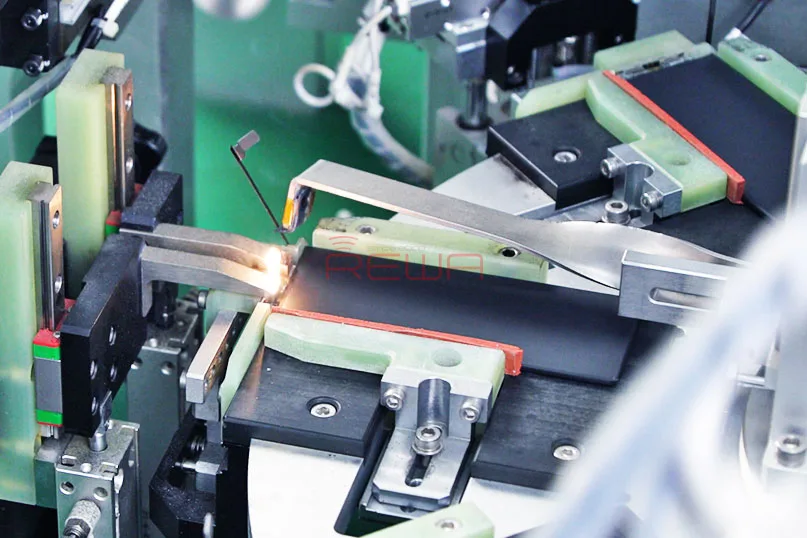
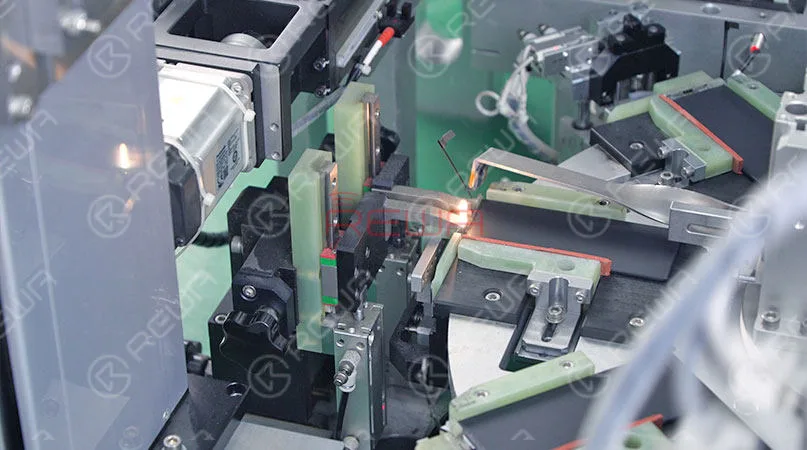
    Step 6: Firmware Programming and Flex Cable Bonding

    The completed PCB is programmed with firmware before its flex cable is bonded using controlled heat and pressure. To put it simply, firmware is the embedded software that controls how the hardware operates.

    How do the controlled heat and pressure achieve?

    Through a hot-bar bonding process, the controlled heat and pressure are used to bond the flex cable to the PCB.
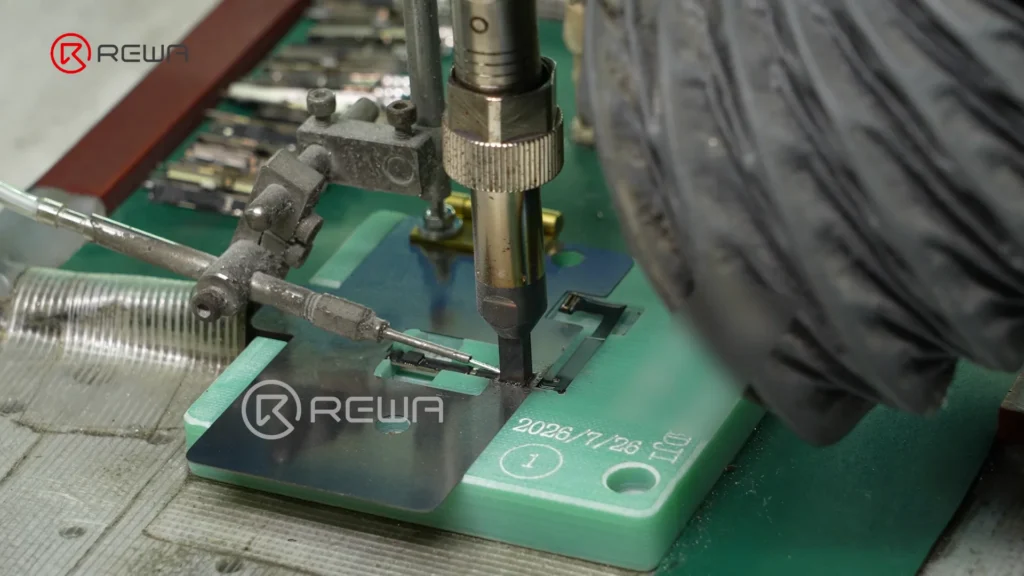
    bonding flex cable

    After bonding, the flex cable connection is verified through FCT (Functional Circuit Test) to check whether the assembled board actually functions as intended.

    Step 7: Battery Cell and BMS Board Assembly

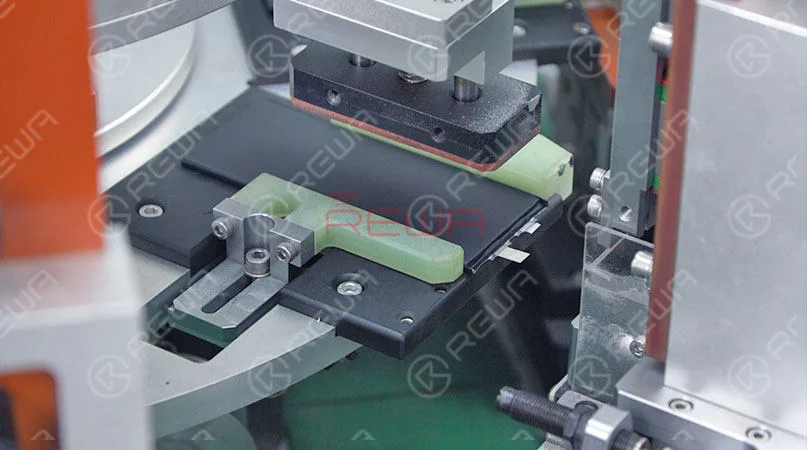
    In the assembly stage, the factory first uses capacity-matched cells. The cell tabs are then cut before the cell is connected to the BMS board through fiber laser spot welding.

    Why Is Weld Quality Important?

    The weld connects the battery cell to the BMS board, so the quality of this connection directly affects the electrical and mechanical integrity of the battery pack.
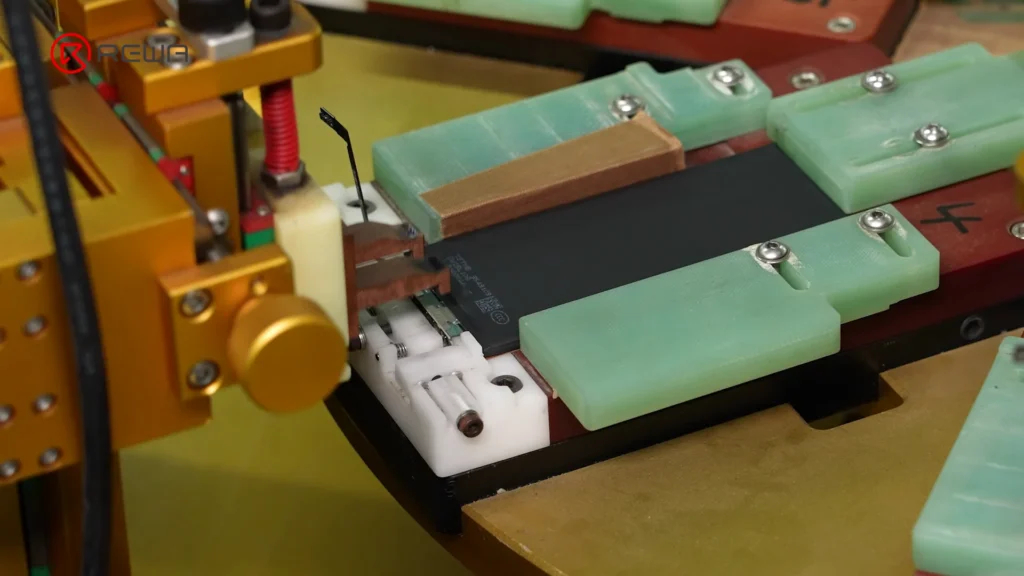
    Automated spot welding equipment connecting a battery cell to a BMS board held in an assembly fixture

    After welding, each weld joint is checked for durability. The battery pack then receives insulation tape and a rubber casing as part of the assembly process, helping provide both electrical insulation and physical protection.

    Step 8: Final Quality Inspection and Battery Testing

    Manufacturing does not end when the battery pack is assembled. A strict final quality inspection is performed before the battery is considered ready for shipment.

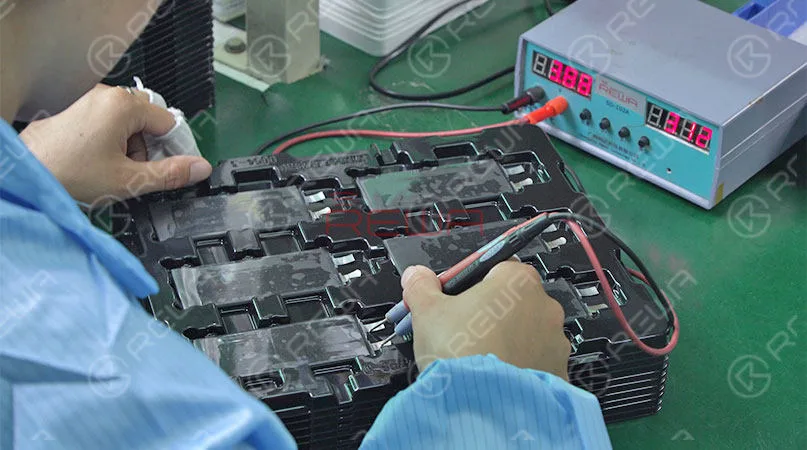
    After final inspection, the battery enters a resting period, during which parameters such as voltage and internal resistance are monitored.
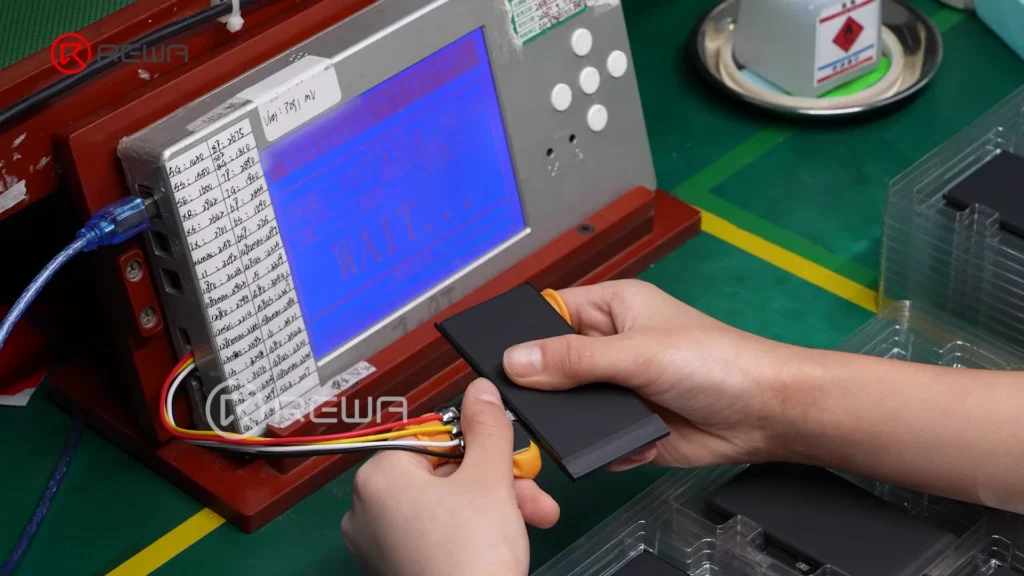
    Technician connecting an assembled iPhone battery to a digital testing device to monitor voltage and internal resistance

    Monitoring voltage and internal resistance during the resting period provides additional data for quality control.

    Why the BMS Board Matters for Aftermarket iPhone Batteries

    The BMS board is often hidden inside the battery, so it is easy to overlook when comparing aftermarket batteries. However, its design and manufacturing quality can influence important aspects of battery operation.

    A reliable third-party battery requires more than simply selecting a battery cell with the right capacity. The cell, BMS board, firmware, electrical connections, protection circuitry, manufacturing process and strict quality test before shipping all work together.
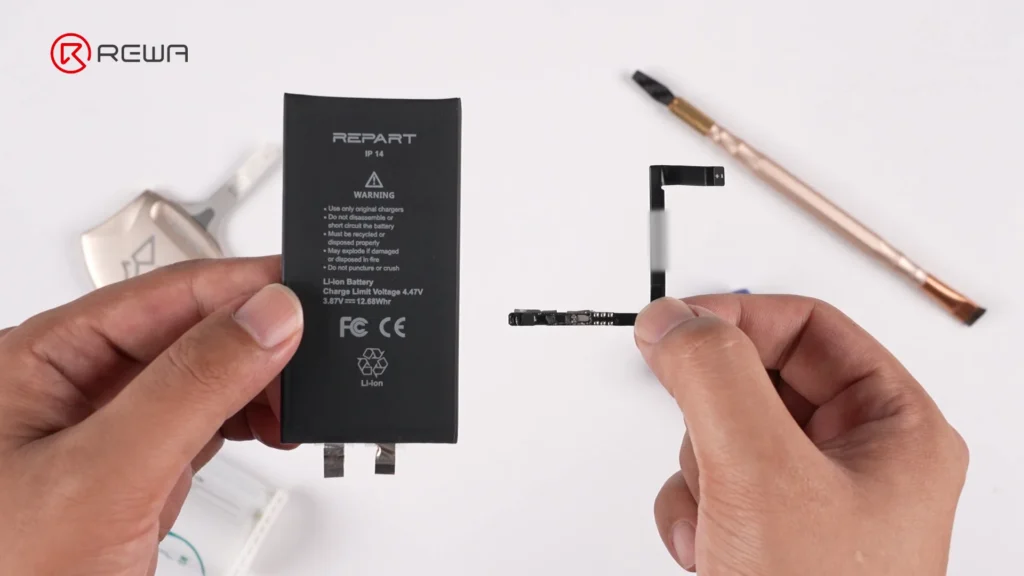
    Hands holding a black iPhone 14 battery cell on the left and a small BMS board with flex cable on the right

    For distributors, refurbishing facilities, and repair shops, this means that battery evaluation should go beyond looking at the printed capacity or external appearance.

    Questions fréquemment posées

    What is the difference between a battery cell and a BMS board?

    The battery cell is the component that stores electrical energy. The BMS board is the electronic management and protection system that monitors the cell and controls related battery functions.

    What is a TI chip in a battery BMS board?

    TI refers to Texas Instruments, a semiconductor manufacturer whose battery-management ICs are used in various battery applications. In the REWA Selected battery board shown in the video, a custom TI chip with an Impedance Track algorithm is used to support accurate battery monitoring and gauge estimation.

    Why are SPI and AOI inspections important?

    SPI checks the accuracy of solder paste printing before components are soldered, while AOI uses cameras to inspect the assembled PCB and solder joints afterward. These inspections help identify manufacturing issues at different stages of PCB production.

    Why does REWA test battery voltage and internal resistance after assembly?

    Voltage and internal resistance provide important information about the electrical condition of a battery pack. Monitoring these parameters after assembly and during the resting period adds another layer of quality control before the battery is shipped.

    Why measure internal resistance during final quality inspection?

    Internal resistance is one of the important electrical characteristics of a battery. Lower internal resistance generally means less electrical energy is lost inside the battery when current flows, although battery performance cannot be judged by this parameter alone.

    Conclusion :

    An aftermarket iPhone battery is more than a battery cell. Behind the finished product is a BMS board that integrates electronic components, battery-management technology, protection functions, firmware, and flex-cable connections.

    From a bare PCB to a complete battery pack, every stage can contribute to the consistency and reliability of the finished battery.

    By combining rigorous quality control process with technical support, REWA Technology is committed to developing high-standard aftermarket battery solutions for professional repair businesses worldwide. If you have any question, please feel free to nous contacter.
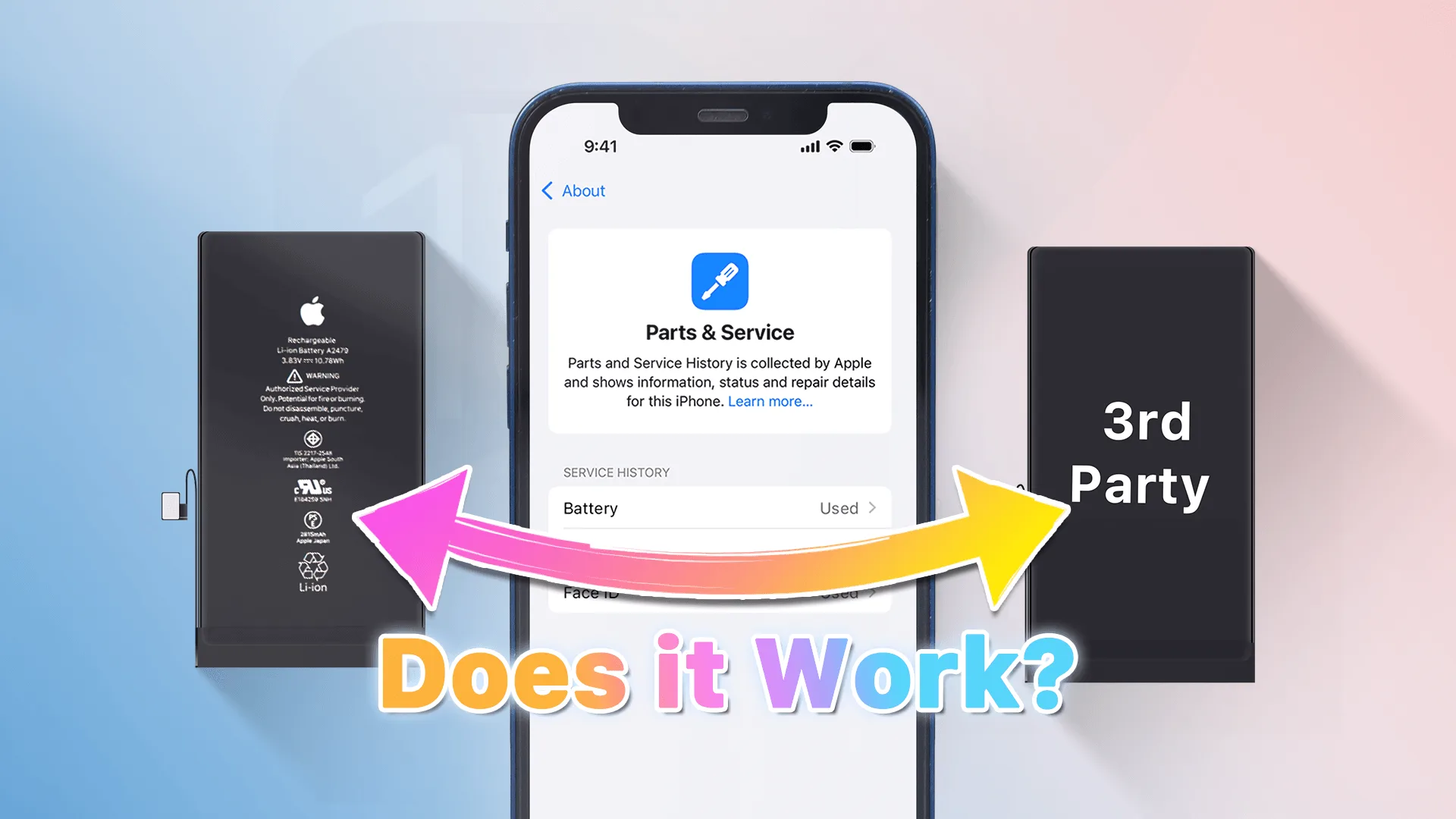
  • Les batteries de rechange peuvent-elles être appariées sur iOS 18 ?

    Les batteries de rechange peuvent-elles être appariées sur iOS 18 ?

    Dans cette vidéo, REWA Lab vous fait part de la progression complète du test de batterie sur iOS 18, nous installerons différentes batteries pour voir si elles peuvent être couplées avec l'appareil, restez à l'écoute pour d'autres vidéos professionnelles de REWA.
    Pour les outils de réparation de batterie, vous pouvez visiter le site web :
    https://rewawp.iamtareq.com/repair-tools/
    Contactez-nous pour plus de détails : +852 5167 5273 / sales@rewa.tech

  • Comment les piles doivent-elles être stockées dans un entrepôt ?

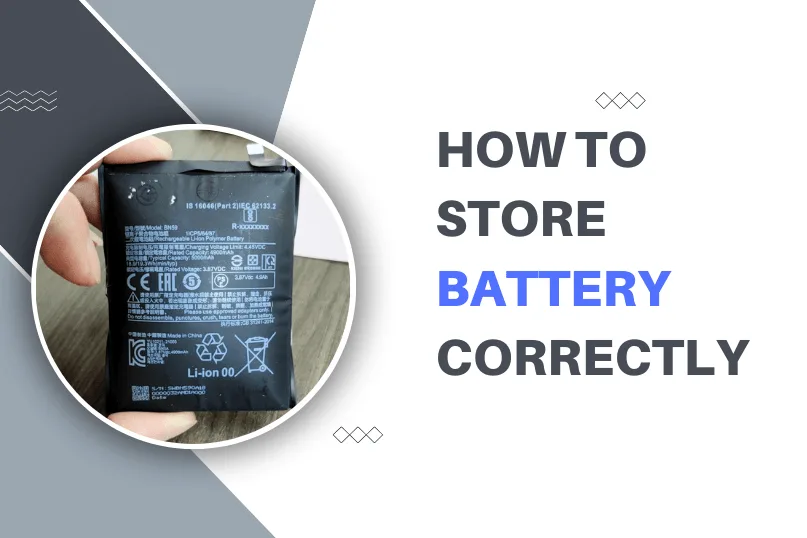
    Comment les piles doivent-elles être stockées dans un entrepôt ?

    Certains ateliers de réparation et distributeurs, faute de conseils professionnels à l'achat, ne surveillent pas la température et l'humidité de stockage après l'achat. piles et les piles en vrac, et ne rechargent pas les piles à temps. Ces mauvaises méthodes de stockage peuvent entraîner des défaillances de la batterie après plus de trois mois de stockage, telles qu'une tension insuffisante, un gonflement de la batterie, etc.

    Aujourd'hui, REWA vous fait part des précautions à prendre pour le stockage des batteries et des piles, ainsi que des moyens de les recharger, afin de vous aider à stocker correctement les batteries et les piles, et donc à réduire les coûts d'exploitation.

    Pourquoi les piles doivent-elles être stockées correctement ?

    Les piles au lithium sont couramment utilisées dans les téléphones, les tablettes et d'autres appareils électroniques. Le stockage des piles au lithium est soumis à des exigences strictes en termes de température et d'humidité. De tous les facteurs environnementaux, c'est la température qui a la plus grande influence sur la charge et la décharge des piles.

    Les réactions électrochimiques des piles au lithium sont liées à la température ambiante. Tout d'abord, si la température est trop basse, la batterie se bloque et il n'y a pas de tension de sortie. Le verrouillage de la batterie signifie que lorsque la puissance de la batterie tombe à un niveau extrêmement bas, la batterie se verrouille automatiquement pour protéger la santé de la batterie et la sécurité de l'utilisateur. Deuxièmement, des températures excessives accélèrent le taux d'autodécharge de la batterie, ce qui n'est pas propice à un stockage à long terme.

    En outre, les piles au lithium ne peuvent pas être laissées dans un état de faible puissance pendant une période prolongée, ce qui entraînerait une réduction de la durée de vie de la pile, qui est irréversible. C'est pourquoi il est nécessaire de maintenir les performances de la batterie en vérifiant sa tension tous les trois mois et en effectuant des cycles de charge et de décharge si nécessaire.

    Comment stocker correctement les piles ?

    Si les distributeurs ou les ateliers de réparation achètent des batteries et des piles en vrac, nous leur recommandons de construire un entrepôt dédié pour stocker piles et les cellules de la manière suivante :

    Classification Description
     Température de stockage ≤1 mois 0~45℃
     ≤3 mois 0~30℃
     Humidité de stockage 65±20% RH
     Stockage et transport 1. La batterie doit être stockée dans un endroit sec, à l'abri de l'humidité, de la poussière et des chocs.
     2. La batterie doit être stockée dans un local clair, sec et ventilé, éviter tout contact avec des substances corrosives et être à l'abri du feu et de la chaleur.
     3. La batterie doit être protégée contre les vibrations, les chocs et la pression pendant le transport. Elle doit également être protégée contre les rayons directs du soleil et la pluie.
     4. La durée de stockage des piles dans un environnement à température normale (20±5℃) est de 6 mois. Les batteries doivent être rechargées une fois pour plus de 6 mois. Le courant de charge recommandé est de 0,1C 5A.
     Avis 1. La batterie doit être déchargée à l'aide du chargeur spécifique.
     2. Ne pas immerger la batterie dans l'eau ou dans un liquide, il faut la protéger de l'humidité.
     3. Évitez d'utiliser la batterie à proximité d'une source de chaleur, telle qu'un feu ou un radiateur.
     4. N'inversez pas la polarité de la batterie pour quelque raison que ce soit
     5. Ne pas démonter la batterie. Le démontage peut provoquer un court-circuit interne dans la batterie. Cela peut provoquer un dégagement gazeux, un incendie, une explosion ou d'autres problèmes. Il peut également entraîner une fuite d'électrolyte, ce qui est dangereux pour la santé. Si l'électrolyte entre en contact avec les yeux ou d'autres parties du corps, rincez-les à l'eau dès que possible et envoyez-les rapidement à l'hôpital.
     6. Ne jamais court-circuiter la batterie. Il génère des courants très élevés qui peuvent provoquer un échauffement de la batterie, ce qui peut entraîner une fuite de l'électrolyte, un dégagement gazeux ou une explosion, ce qui est très dangereux.
     7. Ne pas traiter la batterie usagée par le feu, sous peine de provoquer un accident dangereux, tel qu'une explosion.
     8. Si des caractéristiques anormales de la batterie sont constatées, telles que des dommages dans l'enveloppe plastique de la batterie, une déformation de l'emballage de la batterie, une odeur d'électrolyte, une fuite d'électrolyte et autres, la batterie ne doit plus jamais être utilisée. La batterie présentant une odeur d'électrolyte ou une fuite doit être placée à l'écart du feu pour éviter tout risque d'incendie ou d'explosion.

    Comment recharger les batteries et les piles ?

    Pour maintenir les performances de la batterie, REWA recommande de tester la tension de la batterie tous les 3 mois. Si la tension est trop basse, la batterie doit être rechargée.

    Étapes de recharge :

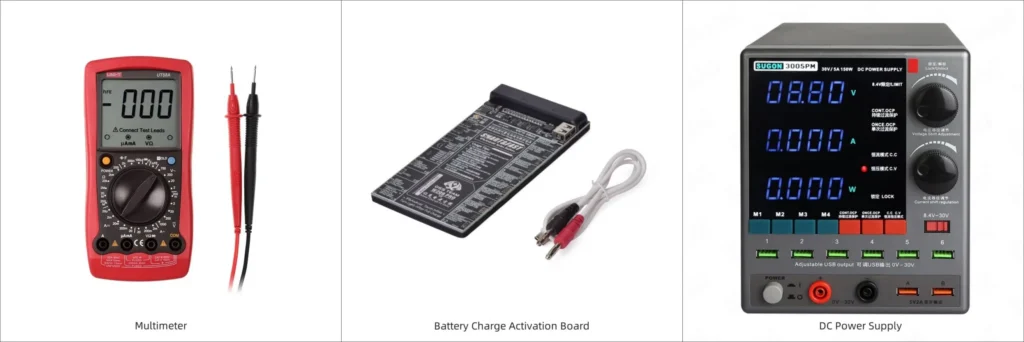
    • Utiliser un multimètre pour vérifier la tension des piles.
    • Utilisez la carte d'activation de la charge des batteries et l'alimentation en courant continu pour recharger les batteries.

    Lignes directrices :

    • Les piles doivent être stockées conformément aux instructions du fournisseur afin de garantir un niveau de tension sûr. Les niveaux de tension standard peuvent varier d'une batterie à l'autre.
    • Lorsque la tension de la batterie tombe en dessous du seuil de sécurité, il est impératif de la recharger rapidement et en toute sécurité.
    • Notez que les batteries profondément déchargées soumises à un courant de charge élevé risquent de surchauffer, de gonfler ou d'être endommagées. Par conséquent, pour une recharge sûre, il est recommandé de combiner une charge de maintien avec une charge régulière.

    Veuillez noter que les opérations de recharge requièrent une certaine expertise. En cas de besoin, veuillez contacter REWA pour des solutions de recharge personnalisées. REWA propose des solutions de recharge individuelles et en vrac pour les batteries et les éléments de batterie.

    Contact: +852 5167 5273 /sales@rewa.tech.

    how should batteries be stored warehouse battery charging tools

    Résumé

    Les batteries et les piles utilisées dans les appareils électroniques, y compris les téléphones portables, les tablettes, les montres intelligentes, etc. sont des consommables dont la durée de vie est limitée. Elles peuvent généralement être chargées et déchargées entre 300 et 500 fois. Ainsi, maîtriser la méthode de stockage optimale revient à prolonger la durée de vie de la batterie et à assurer un meilleur retour sur investissement.

  • iPhone 12 Pro Battery Replacement: Cost & Shop Guide

    iPhone 12 Pro Battery Replacement: Cost & Shop Guide

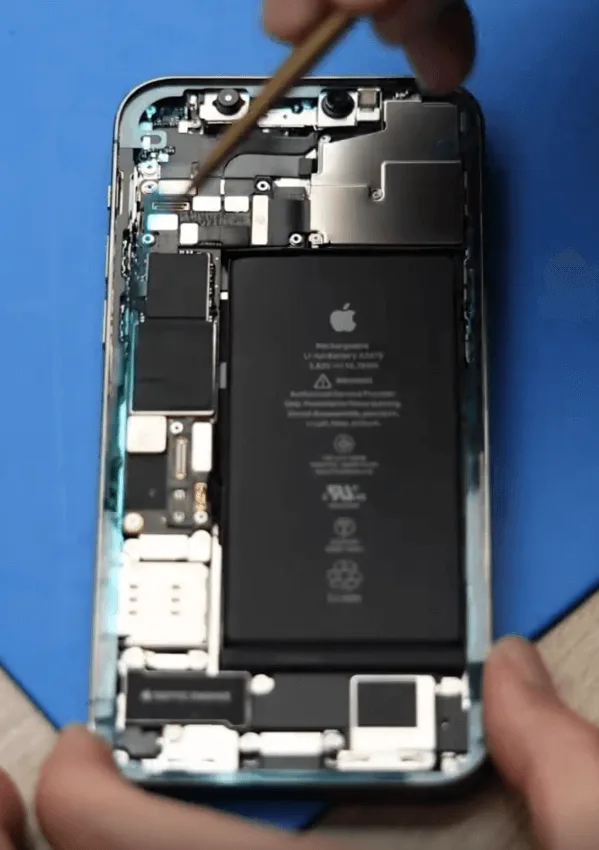
    iPhone 12 Pro battery replacement is more than a simple cell swap. This model uses an encrypted battery protection board, so aftermarket installs usually need a BMS transfer, data rewrite, and a tag-on flex. Genuine Apple batteries follow a different path with Apple Service Toolkit 2 (AST2).

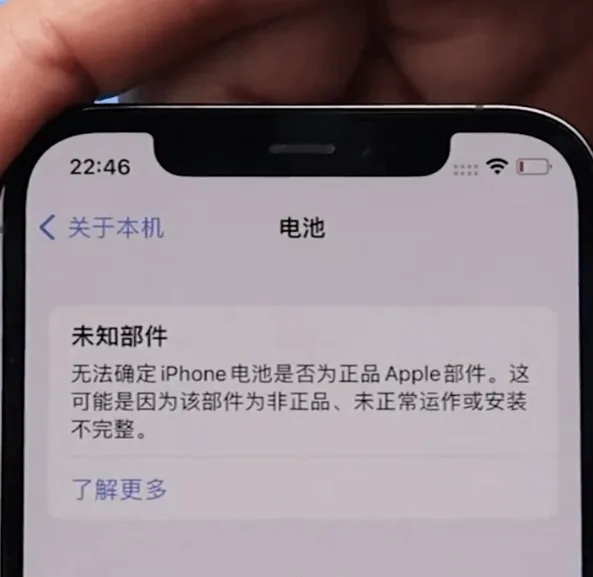
    This guide walks through when to replace, what it typically costs, the shop method vs Apple parts, and how to clear the “Unable to verify this iPhone has a genuine Apple battery” alert. It is written for repair shops and advanced DIY techs who already work with heat, adhesive, and small connectors.

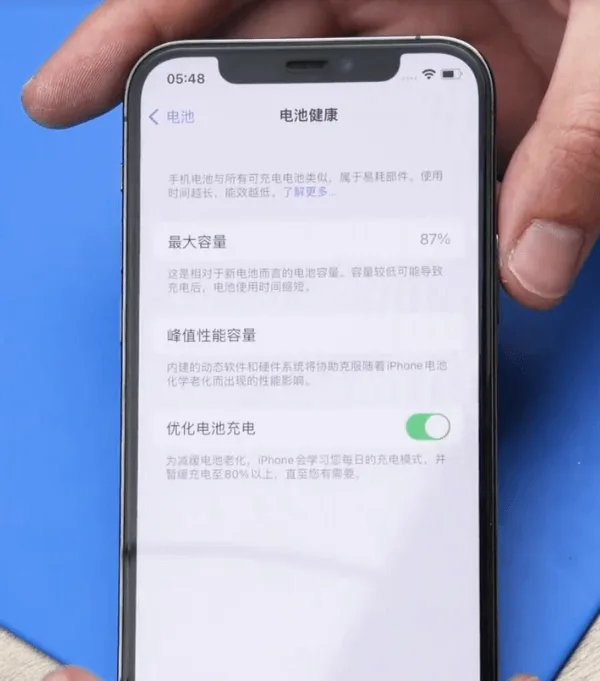
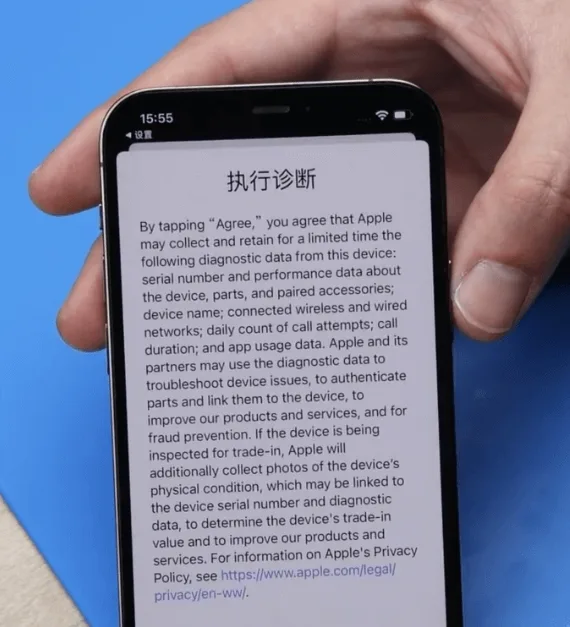
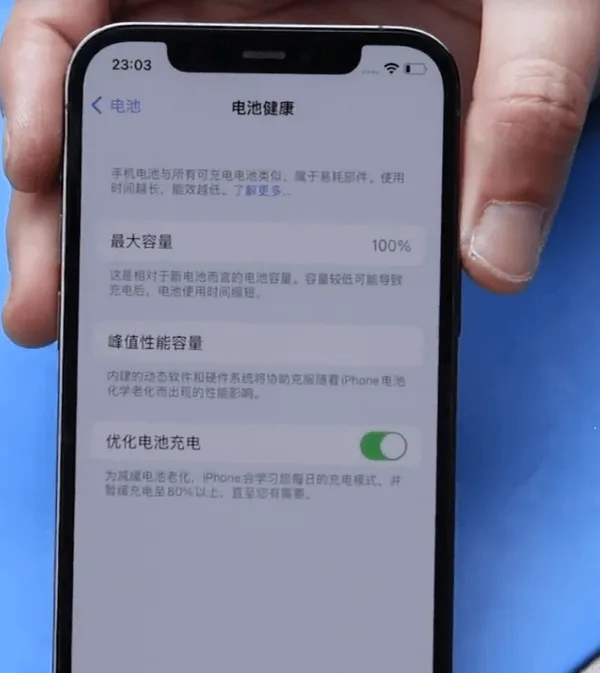
    iPhone 12 Pro battery health at 87 percent

    Example device: iPhone 12 Pro
    Santé de la batterie : 87% (Settings → Battery → Battery Health → Maximum Capacity)

    When to replace an iPhone 12 Pro battery

    Apple designs iPhone batteries (14 and earlier, including the 12 Pro) to retain about 80% capacity at 500 complete charge cycles under ideal conditions. Many techs still quote a swap near or below 80%, or when Battery Health shows a Service recommendation. Customers sometimes request a replacement earlier (for example at 85-90%) to restore full-day runtime. That is a preference call, not a hard Apple rule.

    In the example above, health sits at 87%. A replacement can still make sense if the customer wants better runtime, or if the phone shows unexpected shutdowns, heat while charging, or peak performance messages.

    Cost and battery specs (quick reference)

    Prices vary by country, tax, and part grade. Use these U.S.-oriented figures as a planning baseline, then confirm local quotes:

    • Apple / AppleCare+ service: about $89 out of warranty for iPhone 12 / 12 Pro battery service (AppleCare+ is often no extra charge when capacity is below 80%). Always re-check Apple’s current estimate tool.
    • Independent shop: often about $50-$100+ depending on city, warranty, and whether the shop transfers the BMS or uses AST2.
    • DIY / wholesale cell: kits often land around $40-$60 retail; shop wholesale cells can undercut that.

    Capacity reference (teardown consensus, not an Apple datasheet line): about 2,815 mAh (~10.78 Wh at 3.83 V). Common part marking refs include A2479 (also seen as styles like 11CP5/45/85 on replacement listings). iPhone 12 and 12 Pro share the same capacity class; 12 Pro Max does not.

    How to replace an iPhone 12 Pro battery

    1. Battery protection board encryption (aftermarket path)

    The iPhone 12 Pro uses an encrypted battery protection board. Dropping in a raw aftermarket cell without handling the board and data is how shops get a permanent Important Battery Message and missing health percentage.

    Transfer the protection board: Carefully remove the old pack, separate the original BMS / protection board, and spot-weld that board onto the new cell tabs with a proper fixture. Use a machine à souder (or equivalent laser / resistance welder). Align anode and cathode correctly, then insulate with the correct tape and bracket.

    2. Rewrite battery data

    Models before 2018: A battery programmer rewrite was often enough.

    XS and later (including iPhone 12 Pro): After board transfer and data rewrite with a programmeur, attach a tag-on flex when you change cell data so authentication does not leave a permanent alert.

    Remarque : Skip these steps and you will usually see “Unable to verify this iPhone has a genuine Apple battery” after power-on.

    3. Official Apple battery + AST2

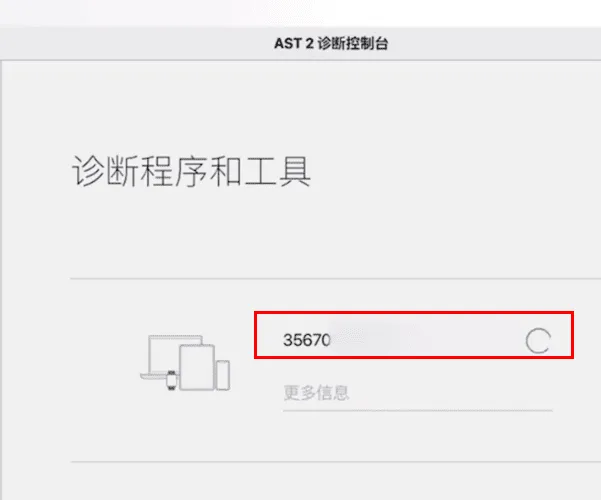
    For genuine Apple parts, keep the phone on Wi-Fi and use Apple Service Toolkit 2 (AST2):

    Apple Service Toolkit 2 (AST2) :

    • Connectez-vous à AST2.
    • Enter the battery serial number and run diagnostics on the phone.
    • After diagnostics clear, proceed with the battery install.

    4. Remove the old battery

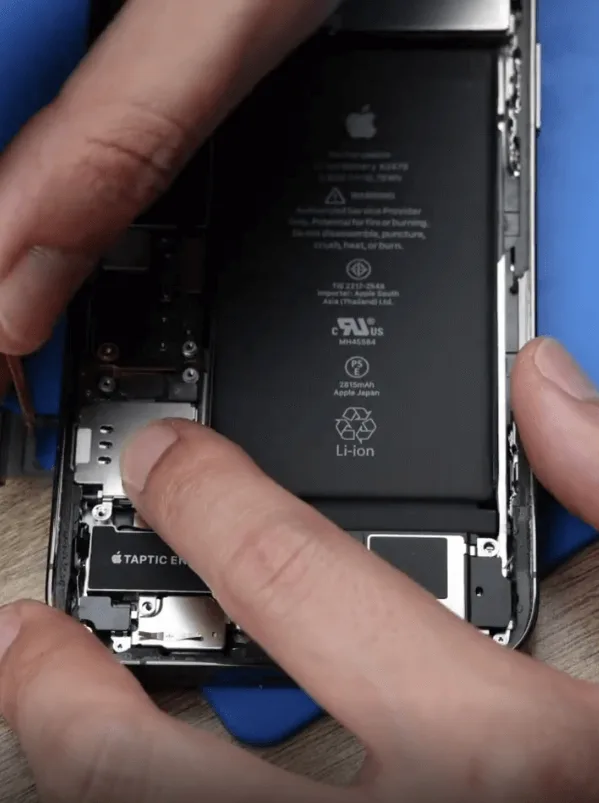
    Remove the original iPhone 12 Pro battery carefully
    • Open the display safely; do not crease flexes.
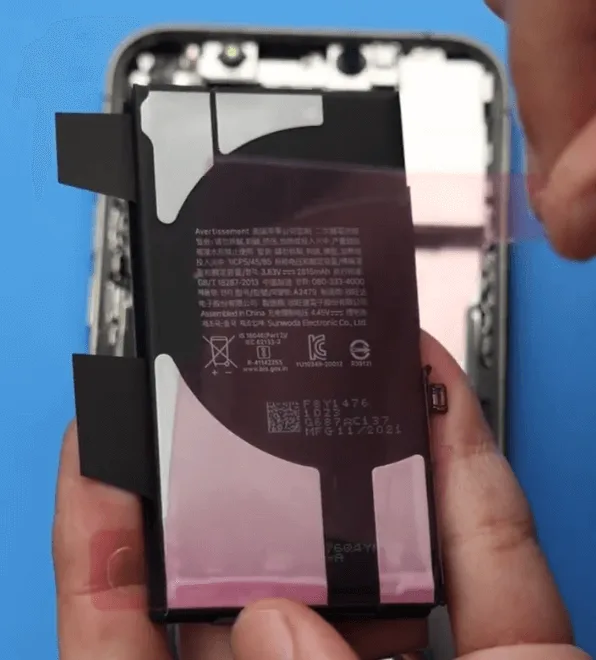
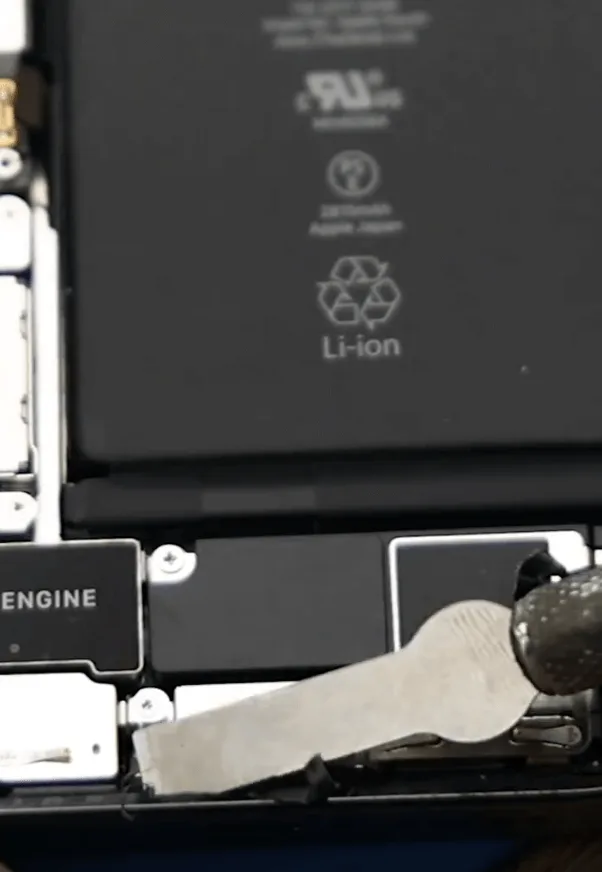
    • Disconnect the battery connector, then remove the original pack with adhesive pull tabs or isopropyl. Never lever hard under a swollen cell.
    • Apply new waterproof frame adhesive. It restores a seal; it does not magically restore factory IP68 rating.

    5. Install the new battery

    • Seat the new Batterie de l'iPhone 12 Pro (or your shop cell with transferred BMS).
    • Reconnect the battery connector, reassemble the display, and power on.
    • Verify charge, Battery Health visibility, and that the phone boots cleanly under load.

    6. Clear the genuine battery alert

    iPhone 12 Pro battery replacement complete
    • Initial alert: On first power-up you may see “Unable to verify this iPhone has a genuine Apple battery.”
    • Genuine Apple path: Log back into AST2 and run diagnostics again to clear the non-original alert.
    • Aftermarket path: Confirm BMS transfer, programmer write, and tag-on flex were done correctly. Persistent alerts usually mean a skipped auth step.

    Watch how to clear Important Battery Message pop-ups on iPhone XS through 12 Pro Max:

    iPhone XS-12 Pro Max Important Battery Message pop-ups removing

    Questions fréquemment posées

    Do iPhone 12 and iPhone 12 Pro use the same battery?

    Teardown reporting puts them in the same capacity class (~2,815 mAh). Always match connector, tab layout, and thickness for your fixture. 12 Pro Max is a different pack.

    Should I replace at 87% Battery Health?

    Apple’s usual guidance centers on ~80% or a Service recommendation. At 87%, replace if runtime no longer meets the customer’s needs or if shutdowns and heat point to a weak cell.

    Why does an aftermarket battery show an Important Battery Message?

    The 12 Pro pairs battery authentication to the phone. Without a correct BMS transfer, data rewrite, and tag-on when required, iOS flags the pack as non-genuine.

    Is AST2 required for every battery job?

    No. AST2 is the genuine Apple / authorized-service path. Aftermarket shop jobs use board transfer, programmer, and tag-on instead.

    Will new waterproof adhesive restore water resistance?

    It restores a seal and is good practice. It does not guarantee factory IP68 performance after a open-repair.

    How much does Apple charge for an iPhone 12 Pro battery?

    Out-of-warranty battery service is commonly cited around $89 for iPhone 12 / 12 Pro in the U.S. Confirm Apple’s current estimate for your region before quoting.

    Wrap-up

    A clean iPhone 12 Pro battery replacement means picking the right path: aftermarket (BMS transfer + programmer + tag-on) or genuine Apple (AST2 diagnostics). Keep adhesives fresh, never force a swollen cell, and verify auth and health on first boot so you avoid callbacks.

    Need cells, welders, or programmers for the bench? Browse REWA tools, including iPhone battery cell replacements, battery programmerset spot welding machines.

  • Batterie de rechange pour iPhone - Tout ce qu'il faut savoir !

    Batterie de rechange pour iPhone - Tout ce qu'il faut savoir !

    Le remplacement de la batterie est l'une des réparations les plus courantes pour un iPhone. Il existe sur le marché de nombreux types de batteries pour iPhone, de qualités inégales. Si vous achetez des batteries de qualité inférieure, vous risquez fort d'être confronté à une vidange rapide, à un oreiller épicé, à une surchauffe, etc.

  • How Is A REWA Certified Aftermarket Battery Assembled?

    How Is A REWA Certified Aftermarket Battery Assembled?

    All batteries are consumables. According to Apple, the battery would only last 80% of its original capacity after 500 complete cycles. So you might need to replace your battery and enjoy an optimal play-time.

    Thanks to the advanced assembling process, REWA battery has been enjoyed a low RMA rate all the time. The whole process including:

    1. Storage warehouse

    2. Incoming material inspection

    3. Automatic assembling

    4. Battery cell preparation

    5. Laser welding

    6. Insulating tape sticking

    7. L-shaped Nickle bending

    8. Protection board bending

    9. Manual FPC shaping

    10. Forming tape sticking

    11. Function test

    Check our video today for more details.

  • iPhone Aftermarket Screen & Battery Compatibility Test On iOS 13

    iPhone Aftermarket Screen & Battery Compatibility Test On iOS 13

    iOS 13 has been officially released for a month. In order to provide our clients with featuring stable quality, REWA LAB has conducted a series of compatibility tests for iPhone series from iPhone 6s to iPhone X with OEM NEW, A+Grade Aftermarket Screens and Aftermarket Batteries respectively. Now, Let’s take iPhone 6s, iPhone 8P, and iPhone X as examples and show you how the test goes.

    Tips: iOS 13 only supports the iPhone 6s and later models.

  • How Is A REWA Certified Aftermarket Battery Assembled?

    How Is A REWA Certified Aftermarket Battery Assembled?

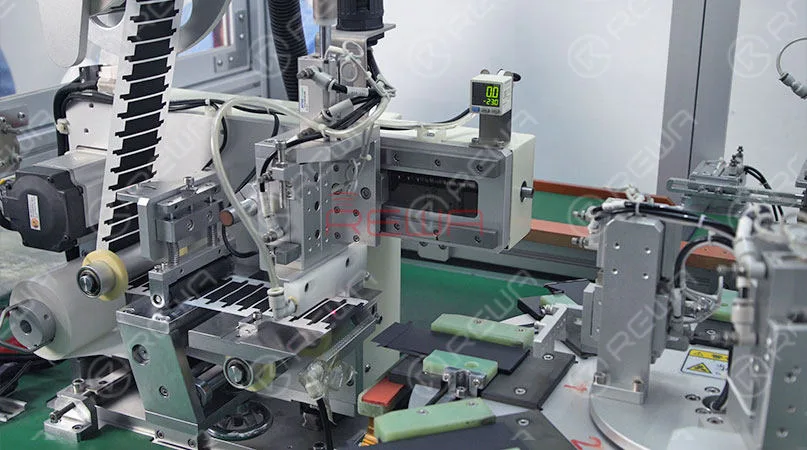
    There are mainly three steps for the manufacturing of a battery. Battery cell packaging, protection board trimming and battery assembling. Today we will introduce the battery assembling process of REWA batteries. With different automation equipment applied during the whole core process, the battery assembling process is highly ensured. The application of industry-leading battery automatic tester also achieves multipoint monitoring from raw materials, manufacturing procedure to the finished product. In this way, defective products can be ruled out in time. Follow us and take a closer look at the battery assembling process now!

    1.) Warehousing

    One temperature-controlled storage warehouse for battery cells, another one storage warehouse for other materials.

    2.) Inspecting

    Check parameters of the battery cell, soldering techniques of the PCB and run cosmetic inspection of other materials. Ensure the quality of all materials from the source and complete the first task of incoming material control.

    3.) Automatic Assembling

    As an important procedure that can directly affect the defective rate and stability. The whole procedure is ensured by automation equipment to lower the defective rate and improve battery stability to the most extent.

    A. Battery Cell Preparation

    With the help of the multi-functional machine battery cell preparation, lug shaping, OVC test and lug cutting are completed to ensure that the lug of the battery can be shaped perfectly.

    How Is A REWA Certified Aftermarket Battery Assembled?

    B. Laser Welding

    Laser welding is the most important procedure during the assembling process. Weld the protection board with laser precisely can definitely avoid unstable battery quality caused by poor welding.

    How Is A REWA Certified Aftermarket Battery Assembled?

    C. Insulating Tape Sticking + L-shaped Nickle Bending + Protection Board Bending

    Complete insulating tape sticking, L-shaped Nickle bending and protection board bending with the help of the three-in-one multi-functional machine.
    How Is A REWA Certified Aftermarket Battery Assembled?

    D. Manual FPC Shaping

    This step is to stabilize the battery cell and the protection board.

    E. Forming Tape Sticking

    Complete the forming tape sticking with the specialized machine. Run cosmetic inspection of the semi-finished battery once confirmed, move on to the Logo printing process.

    How Is A REWA Certified Aftermarket Battery Assembled?

    4.) Function Test

    Run precise voltage test and internal resistance test on the semi-finished battery. Therefore the functional stability of the battery can be ensured.

    5.) Function Test & Cosmetic Inspection

    Run function test and cosmetic inspection before shipment. Every single battery you received is qualified and certified.

    Conclusion :

    Thanks to the superior battery cell packaging and protection board trimming of the upstream factory and precise automation equipment support of the battery assembling factory, REWA battery has enjoyed a low RMA rate all the time. Cooperating with the strict quality control process, REWA battery has been quality&stability guaranteed to bring you worry-free user experience that shall be your best choice!

    REWA certified Replacement Battery for iPhone/iPad/Samsung/Huawei: http://bit.ly/2MpJHwk

  • Au cœur du processus de fabrication des batteries :

    Au cœur du processus de fabrication des batteries :

    inside battery manufacturing process close look to rewa batteries supply

    Dans nos articles précédents, REWA a expliqué ce que devrait être une batterie qualifiée et comment nous inspectons les batteries.

    Nous allons maintenant vous emmener au cœur de la fabrication des batteries pour découvrir comment sont fabriquées les batteries lithium-polymère et ce que doivent subir les batteries qualifiées avant d'être livrées en toute sécurité.

    Processus de production des piles

    Il y a quatre étapes principales : l'inspection à la réception, l'assemblage de la batterie, le test de performance de la batterie et l'étiquetage/impression.

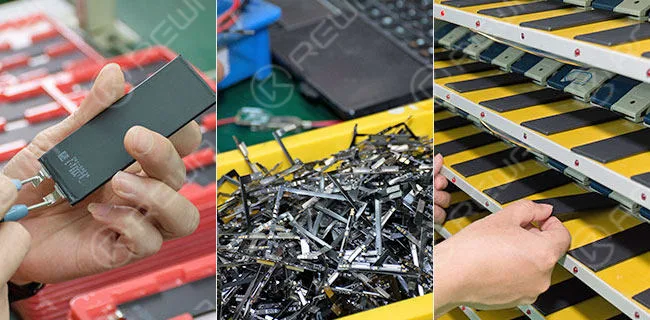
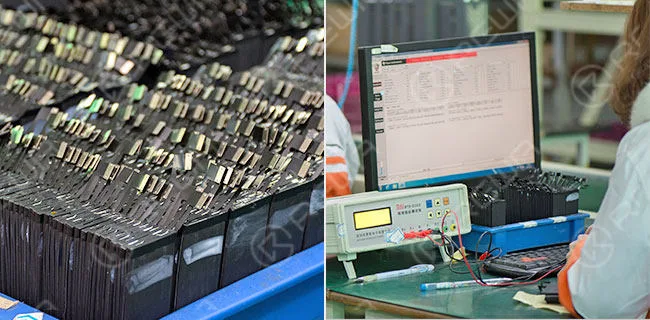
    1. L'inspection à l'arrivée comprend l'inspection des cellules, l'inspection de la carte de protection et le classement de la batterie. Tous les matériaux utilisés pour la batterie doivent faire l'objet d'une inspection stricte avant d'être assemblés.

    inside battery manufacturing process

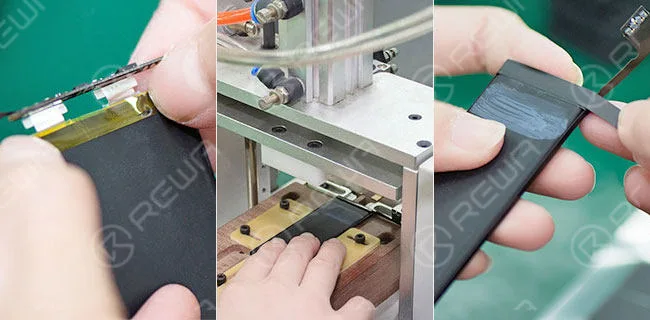
    2) Le processus d'assemblage de la batterie comporte six étapes : découpage de la carte de protection, découpe des languettes d'anode et de cathode, soudage par points de l'anode et de la cathode, collage de la bande isolante, installation du support de la carte de protection et fixation du support.

    inside battery manufacturing process 2

    3. le test de performance de la batterie est un processus simple mais important.

    Toutes les batteries sont vérifiées deux fois pour s'assurer qu'elles ont une capacité suffisante et qu'elles sont sûres.

    inside battery manufacturing process 3

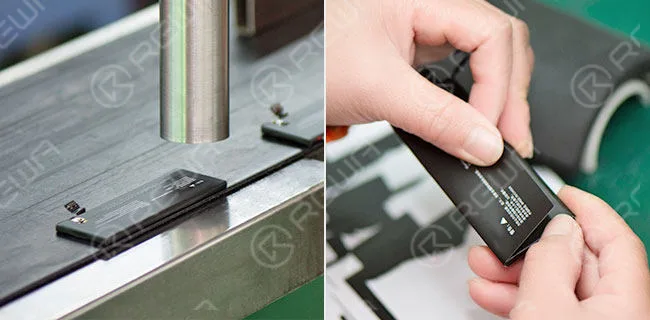
    4. L'étiquetage et l'impression constituent la dernière étape du processus de production des piles. Les informations relatives à la pile peuvent être étiquetées ou imprimées sur la pile à l'aide d'une machine spéciale.

    L'un des avantages de REWA pour les batteries est que nous proposons un étiquetage et une impression personnalisés pour répondre aux besoins de nos clients.

    inside battery manufacturing process 4

    Emballage

    La batterie contient des niveaux élevés d'énergie électrique.

    S'il est mal emballé pendant le transport, il peut provoquer un court-circuit, une surchauffe et un incendie.

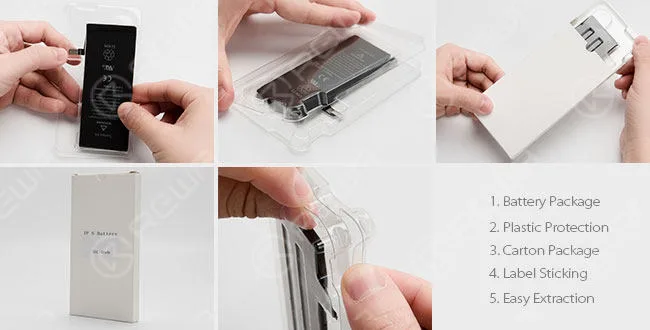
    Pour s'assurer que les piles sont livrées en toute sécurité à nos clients, les piles de REWA sont emballées dans un blister pour les protéger de tout dommage pendant le transport.

    La boîte blister a été conçue pour faciliter le stockage et le déballage, elle est utile et vous permettra de gagner du temps.

    inside battery manufacturing process 5

    Service personnalisé

    REWA propose à ses clients un service d'étiquetage et d'impression personnalisé.

    Qu'il s'agisse d'un logo à afficher, d'une note d'avertissement ou d'une description, vous pouvez ici créer la forme appropriée.

    Logistique

    Nous savons tous que les piles peuvent être entièrement réglementées en tant que matières dangereuses pour le transport.

    REWA assure ici un circuit logistique fluide, efficace, fiable et sûr pour vous apporter le service logistique le plus précieux et le plus fiable.

    Pour réduire les frais de transport, nous avons exploité les services logistiques d'UPS, de DHL, de TNT, de FedEx et d'autres lignes spéciales.

    Certifications

    Le contrôle des piles au lithium devenant de plus en plus strict, de nombreux pays ont obtenu les certifications correspondantes.

    Outre les certifications CE, FCC, RoHs et MSDS, les piles de REWA ont également obtenu d'autres certifications faisant autorité, telles que : ICE62133, EMC et UN38.3.

    Ces certifications garantissent non seulement une utilisation sûre de la batterie, mais sont également utiles pour le dédouanement.

    Chez REWA, vous trouverez les piles qu'il vous faut à des prix avantageux, ce qui est non seulement qualifié, mais aussi économique et personnalisable. Alors, pourquoi ne pas essayer ?